

Inspired by the concept of law in ancient Greek philosophy, Henry Timi's first hospitality concept, the NOMOS hotel in Rome, is an intentional and poetically minimal space; a charmingly raw invitation to slow down.
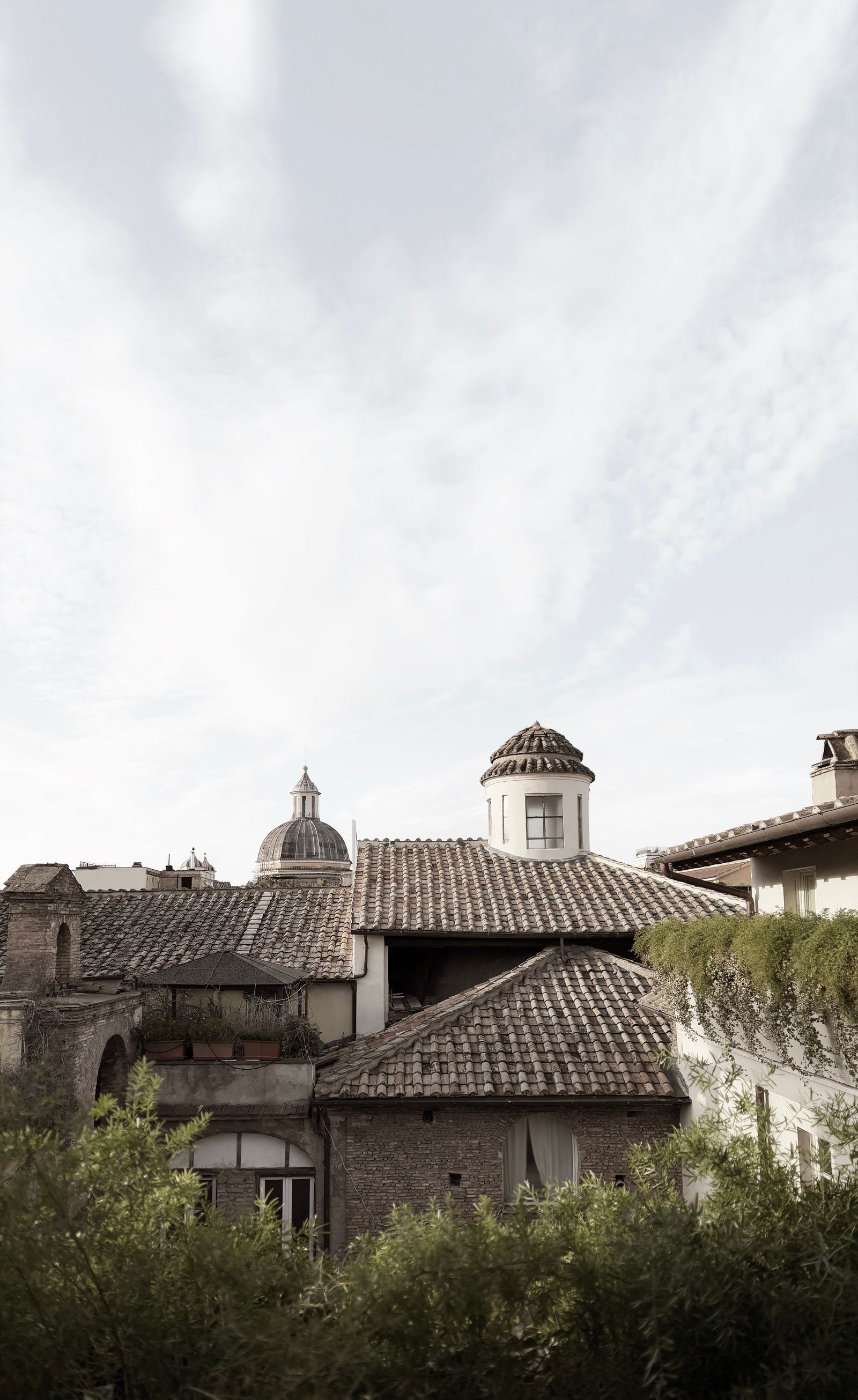
In Rome’s Regola district, myriad historic buildings chart the ebb and flow of the Roman, Renaissance and Baroque periods. It is here that Italian artisan Henry Timi has opened the doors to his first hospitality project, NOMOS, which mirrors the poetic minimalism of the spatial objects he is best known for.
The greatest design stories from AD Middle East, delivered to your inbox

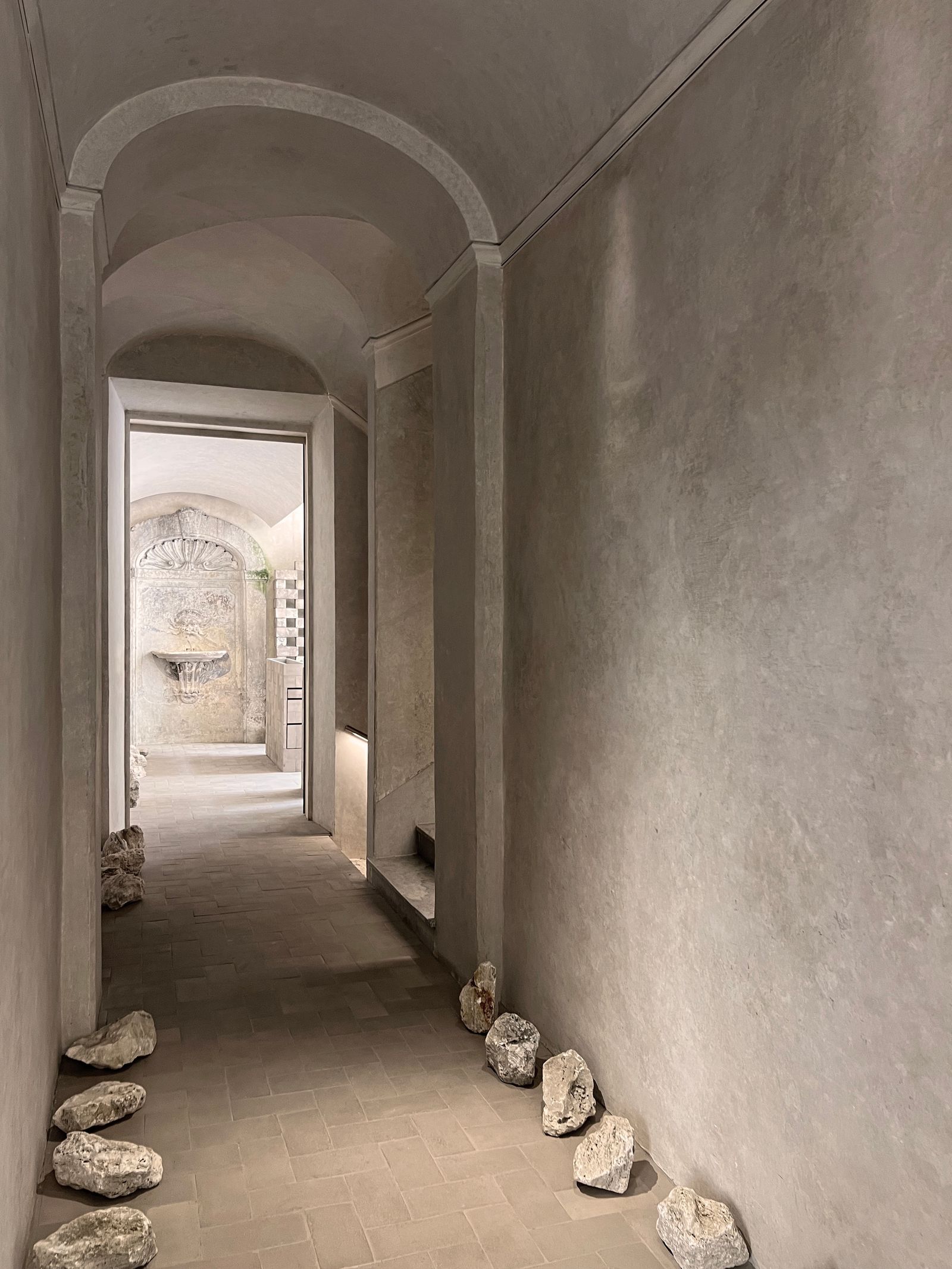
The building was once an 18th-century Franciscan monastery affiliated with the nearby church of San Paolo Alla Regola. Its surrounding neighbourhood has long been defined by its proximity to the river Tiber, and as a result, is home to age-old workshops run by local artisans. It was Timi’s resolve that this valuable history be preserved in the conversion of the building.
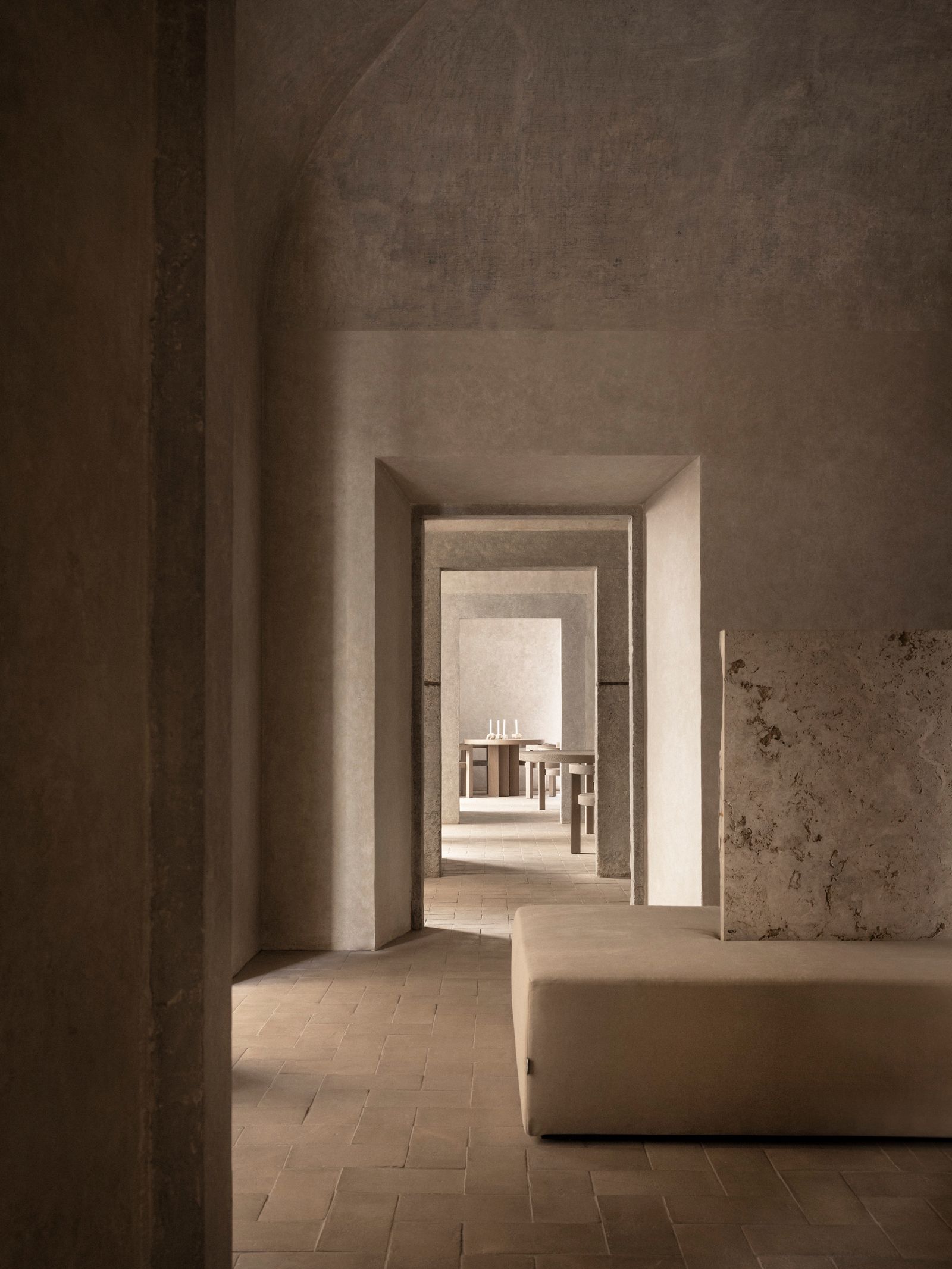
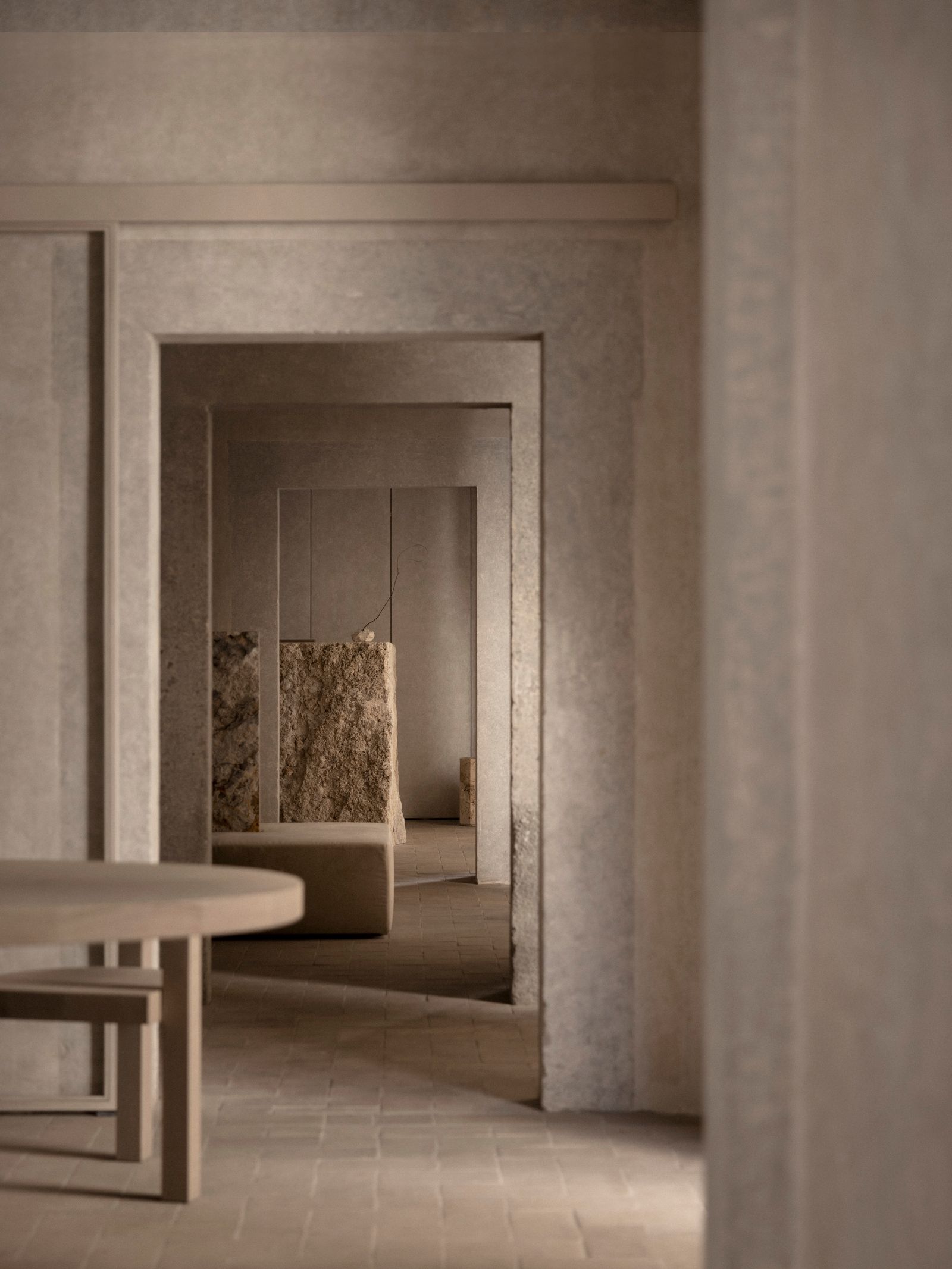
For this reason (among several others), NOMOS is in many ways an “anti-hotel” – a sliver of slow living in a city that is constantly in motion. Offering a new perspective on hospitality, Timi describes it as a series of “raw rooms”. The design is a sermon in paring back, and is centred on natural materials including stone, wood, metal, clay and terracotta. In an antidote to the “more is more” decor that has become fashionable in many new hotels, NOMOS represents a conceptual, radically restrained approach, where value is given to emptiness and a sober monumentality. “I have always sought a narrative that could reveal the simple, pure emotional connection between people, spaces and materials,” Timi explains. “It is the primordial thread of how we relate to nature, and so, at NOMOS, every creation is handmade in-house, and aims to express the beauty of a history that it carries forward.”
The Most Beautiful Hotels for All Types of Travellers
- The Best Design Hotels in Bodrum You Should Book in 2025
- 5 Most Beautiful Riads in Marrakech To Book for a Dreamy Moroccan Getaway
- Discover the Most Beautiful Desert Resorts in the Middle East
- The 9 Best Hotels in Tulum To Book for Your Next Mexico Holiday
- 5 Beautiful Ski Chalets in Europe Worth Bookmarking For Winter
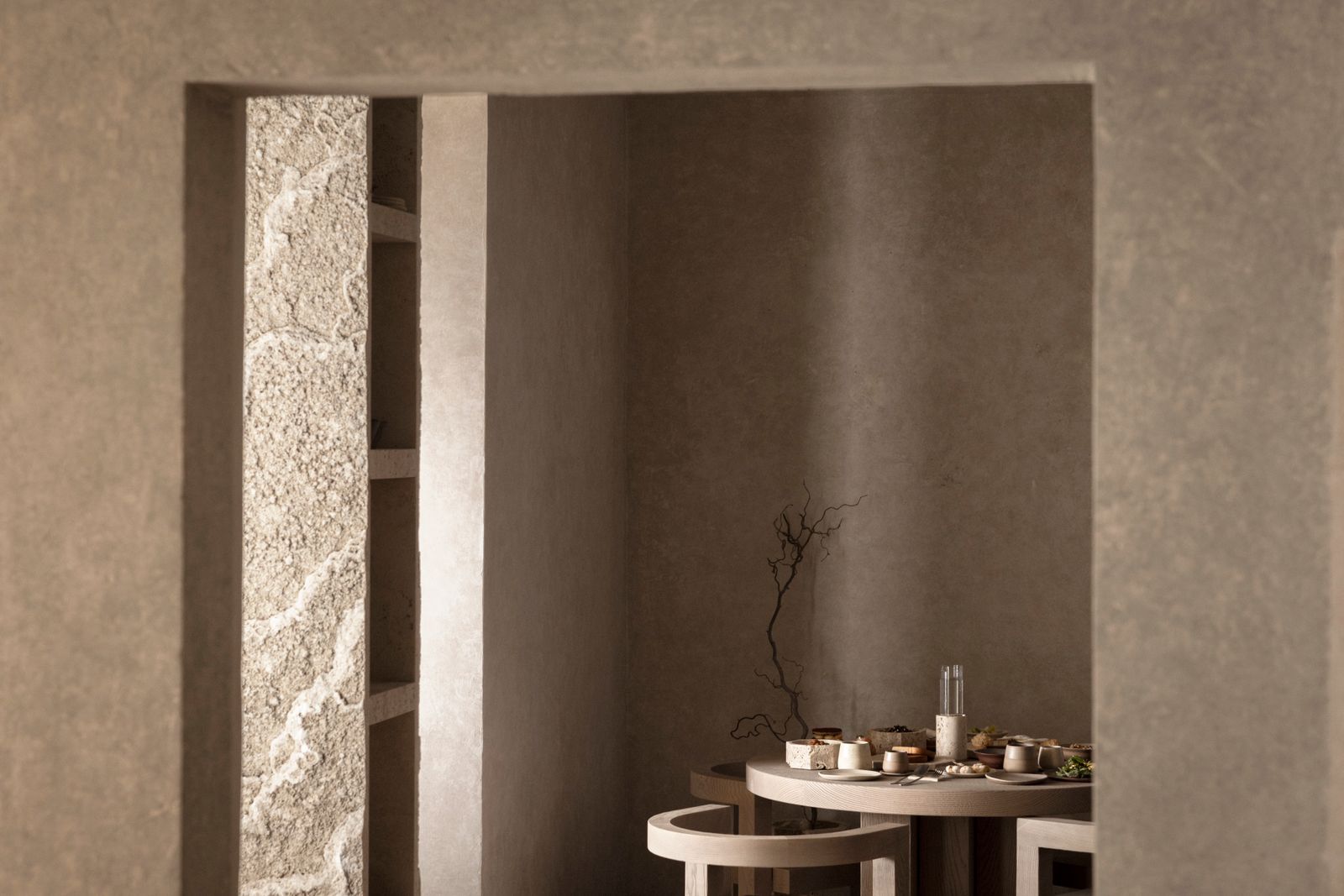
This poetically ‘raw’ hotel in Rome was realised and curated alongside architect Angelo Zampolini and a host of Italian craftspeople, who gave new life to the historic spaces while maintaining their connection to the past. The ground floor houses a courtyard, a stone entrance and a stripped-back restaurant and bar. The latter feature bespoke totems, standing like ancient columns, which double as containers; these complement sturdy wooden tables, and flooring with geometric inlays reminiscent of ancient relics. The colours throughout chime with the hotel’s monastic past, ranging from biscuit-beige to earthy clay.
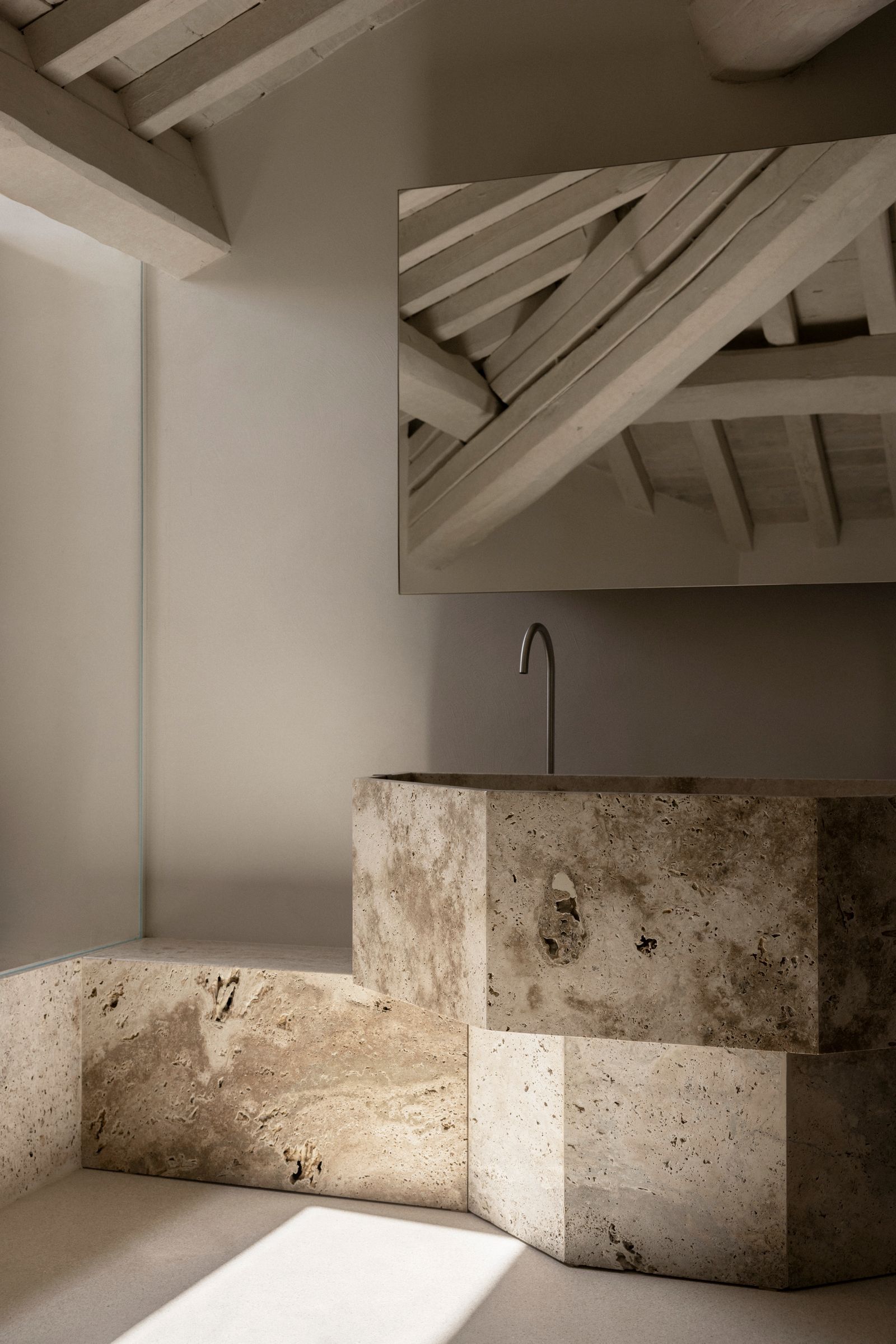
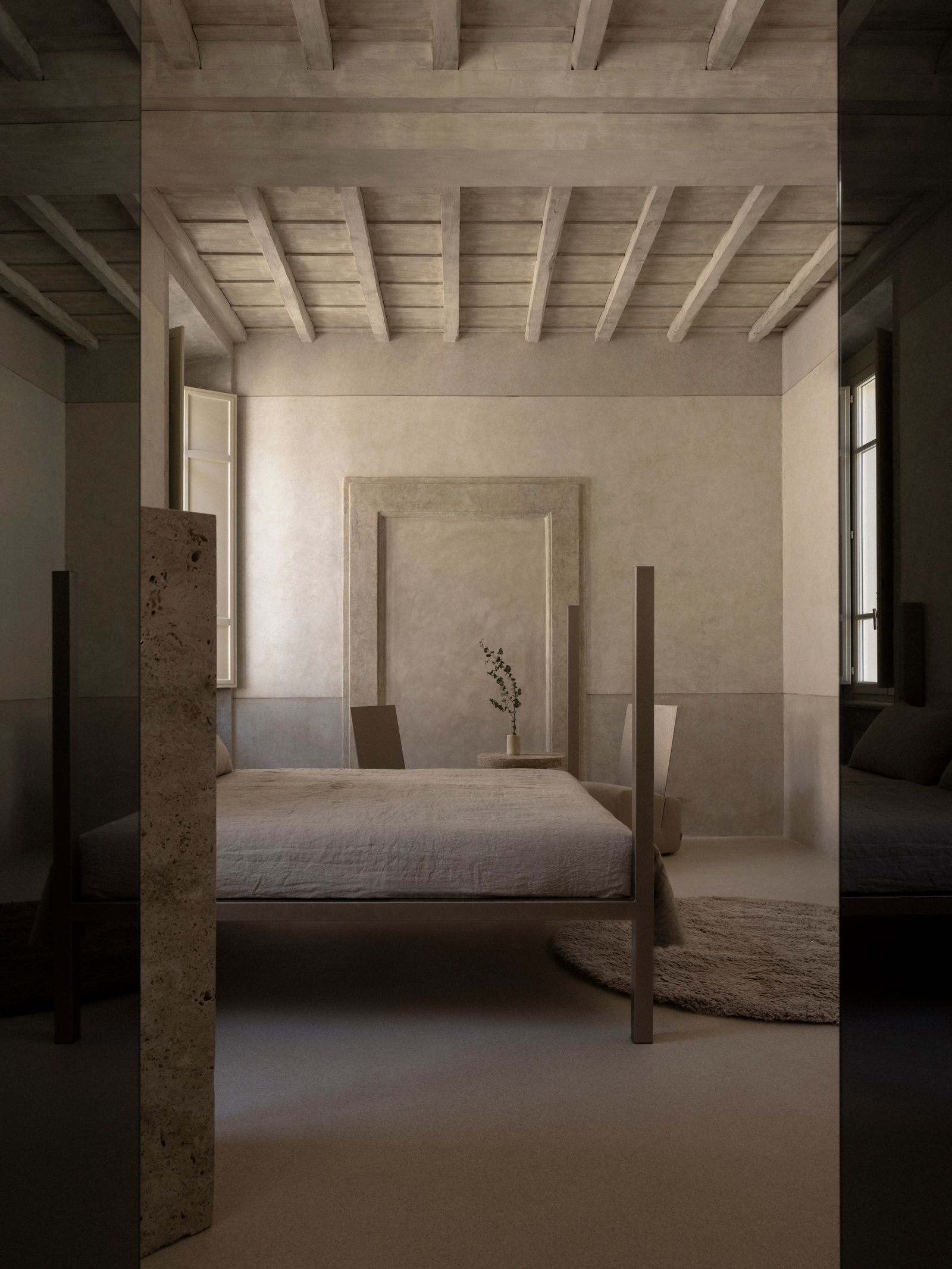
The monolithic hotel suites are dispersed across the upper four floors, and are adorned with functional artworks made from raw materials, such as travertine totems designed to double as storage spaces. Beds are covered with simple, slubby linens, while soft velvet poufs and desks with clean lines echo the views over the city. Guests can also venture underground, into a cave-like alcove of textured walls, for respite in the hotel’s relaxation rooms.
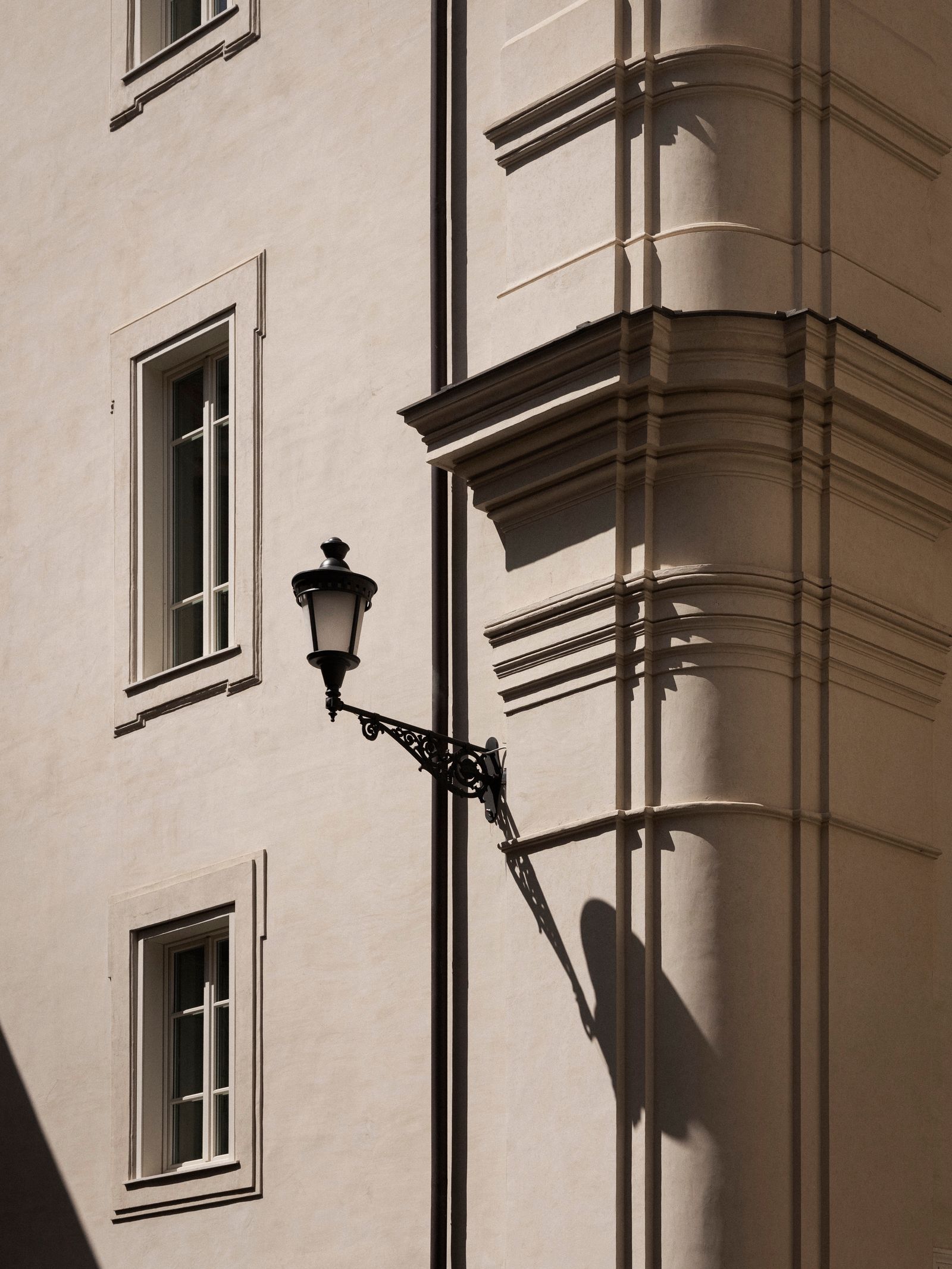
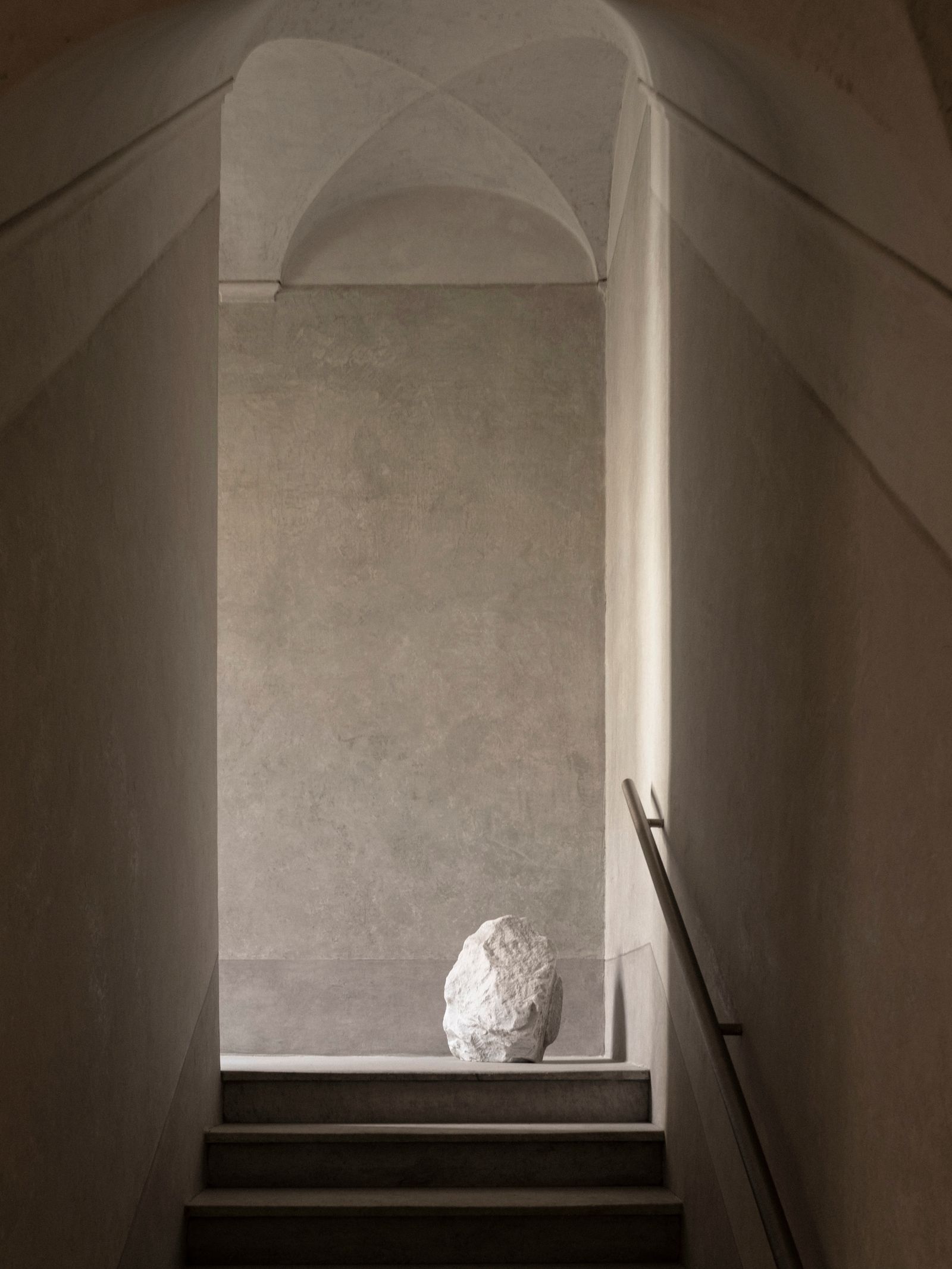
Ever the philosopher (and subverter of norms), Timi named the property after “nomos”, the concept of law in ancient Greek philosophy. Yet with this unexpected mix of conceptual forms and quiet intimacy, he has entirely thrown out the hotel design rule book. nomoshotel.com
The greatest design stories from AD Middle East, delivered to your inbox