

Nicolas Cage has spent years assembling one of the most unusual celebrity real estate portfolios in recent memory – so where does Nicolas Cage live? For most Hollywood stars, a luxury mansion or two is enough. The Oscar-winning actor, who has returned to screens in Amazon's hit Spider-Noir series, has owned everything from beachfront California estates and historic New Orleans mansions to a private island in the Bahamas and not one, but two castles in Europe. At the height of his collecting years, Cage's property holdings stretched across multiple countries and included some of the most distinctive homes ever associated with a Hollywood actor. Below, we've rounded up some of the most notable places Cage has called home.
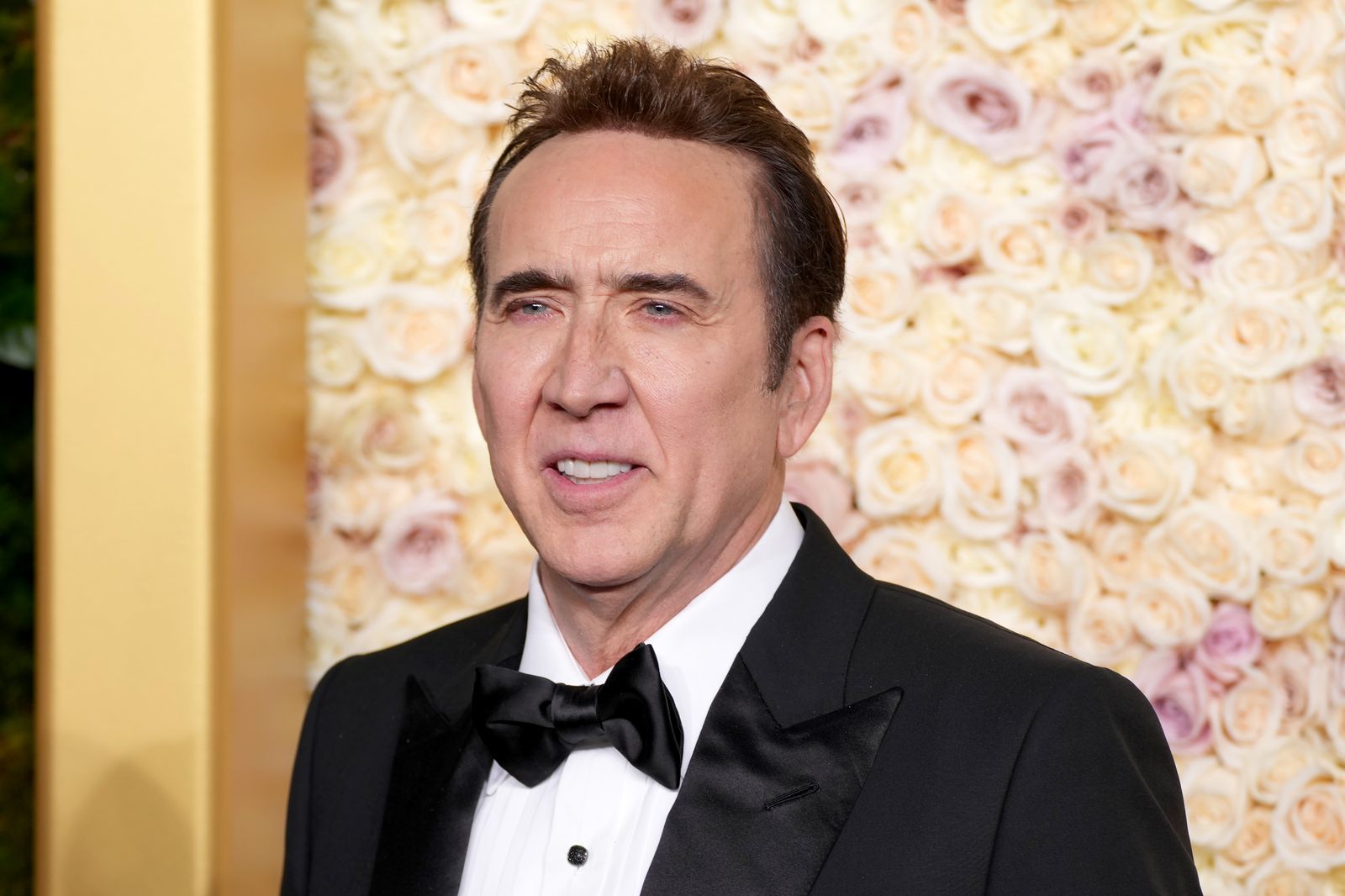
Where Does Nicolas Cage Live?
These days, Cage is believed to primarily divide his time between California, Nevada, and New York. The actor recently returned to the California coast with the reported purchase of a Malibu beach house for approximately $10.5 million in 2024, marking his most significant residential acquisition in years. Located directly on the sand, the contemporary four-bedroom property spans roughly 4,000 square feet across four levels and features floor-to-ceiling glass, multiple oceanfront terraces, a rooftop deck, and panoramic views of the Pacific Ocean. Unlike many of Cage’s more headline-grabbing purchases of the 2000s, the residence is relatively understated, trading castles and historic landmarks for a more relaxed coastal lifestyle.
Reports have also linked Cage to a luxury condominium within Manhattan's Essex House Residences overlooking Central Park. While he has kept details of his current living arrangements largely private, his recent purchases suggest a considerably more streamlined approach to real estate than the one that once saw him acquire properties across several countries.
Childhood Home in Southern California
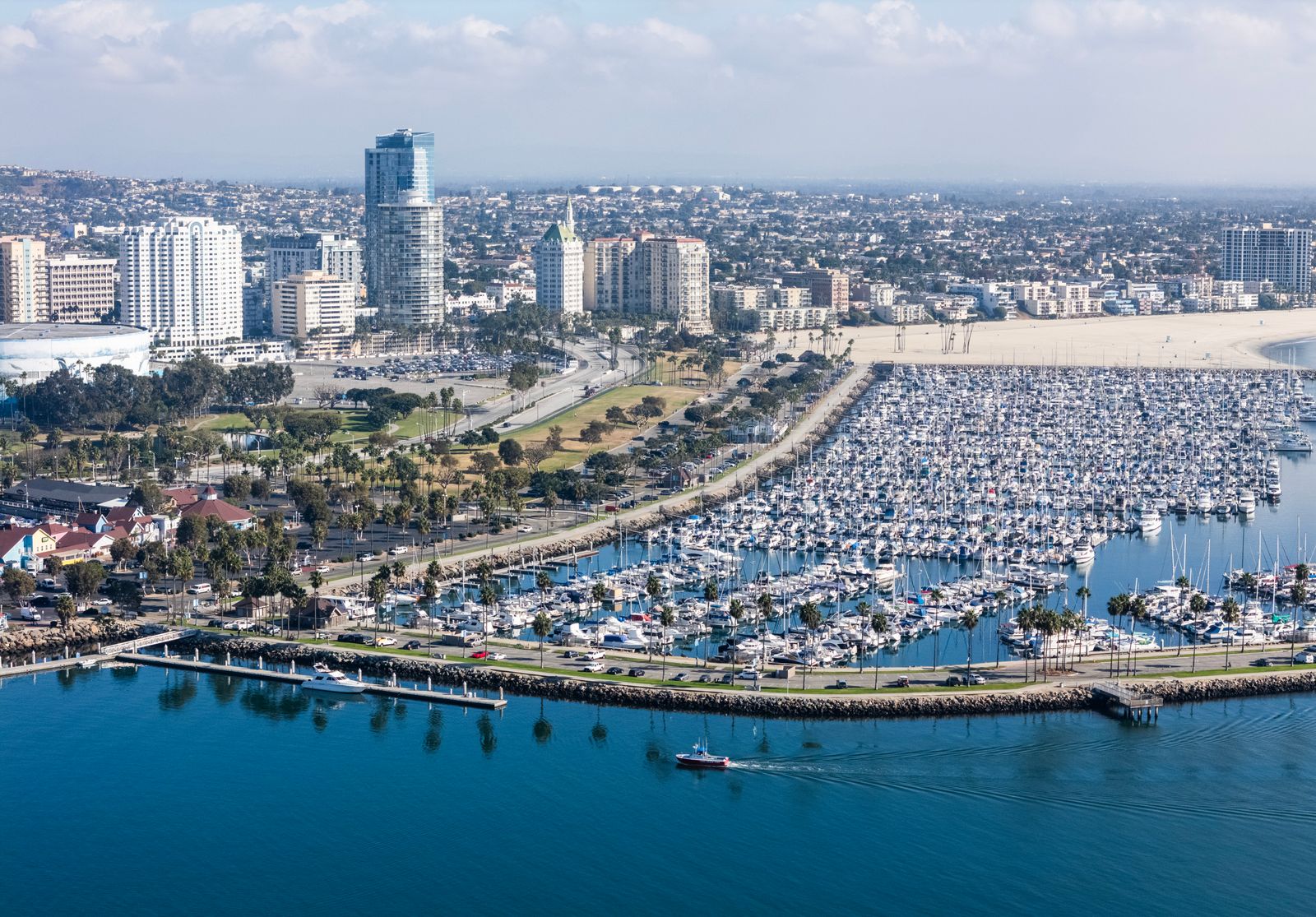
Long before the castles, private islands, and sprawling estates, Cage grew up in Southern California as Nicolas Kim Coppola. Born in Long Beach in 1964, the future actor spent his early years surrounded by creativity. His father, August Coppola, was a literature professor, while his mother, Joy Vogelsang, worked as a dancer and choreographer. As a member of the Coppola family, Cage was also connected to one of Hollywood's most influential filmmaking dynasties.
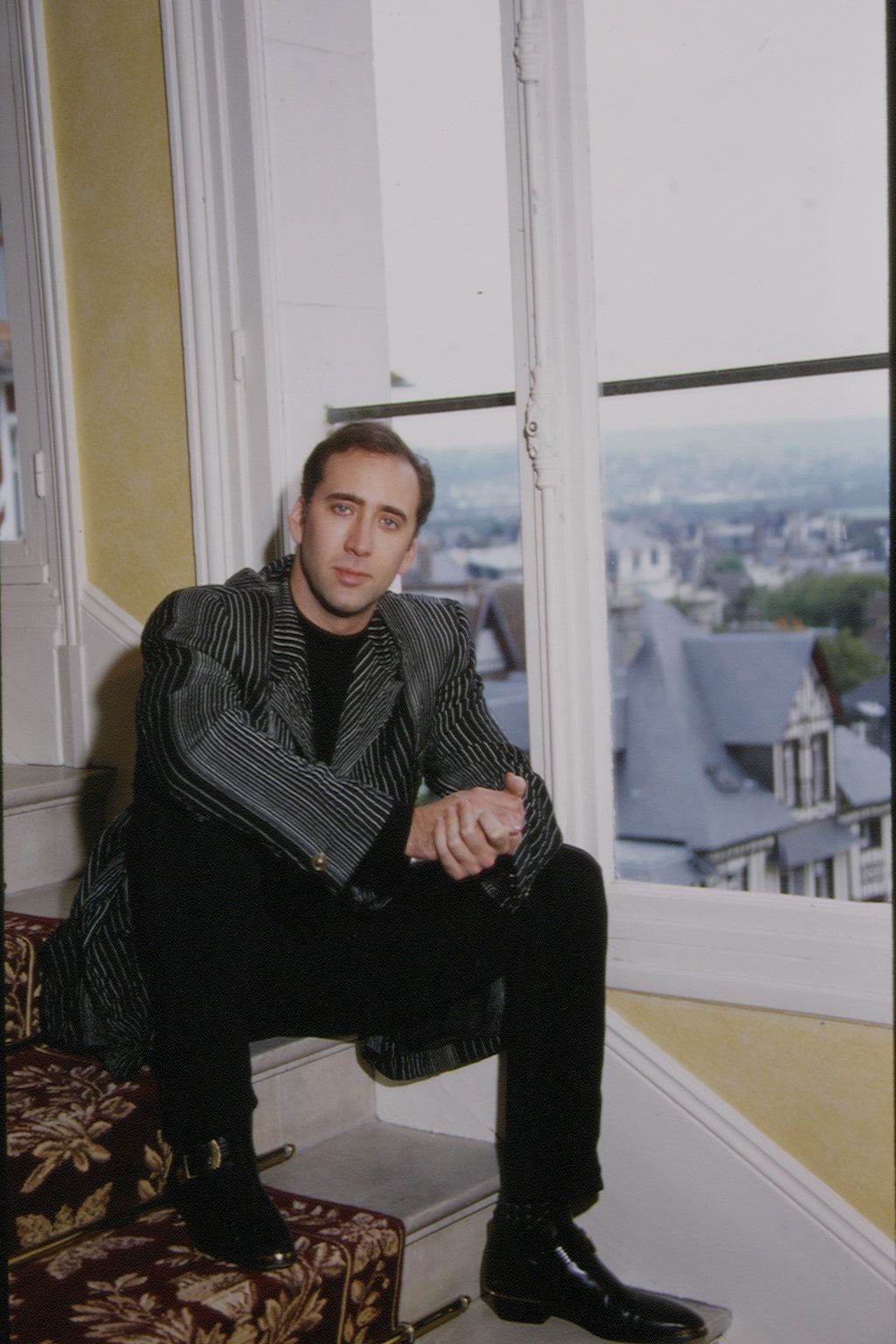
He later attended Beverly Hills High School before changing his surname from Coppola to Cage in an effort to establish his own identity within the entertainment industry. While little is publicly known about the specific houses he lived in during this period, Southern California remained the backdrop to the formative years that would shape one of Hollywood's most distinctive careers.
Copa De Oro Estate
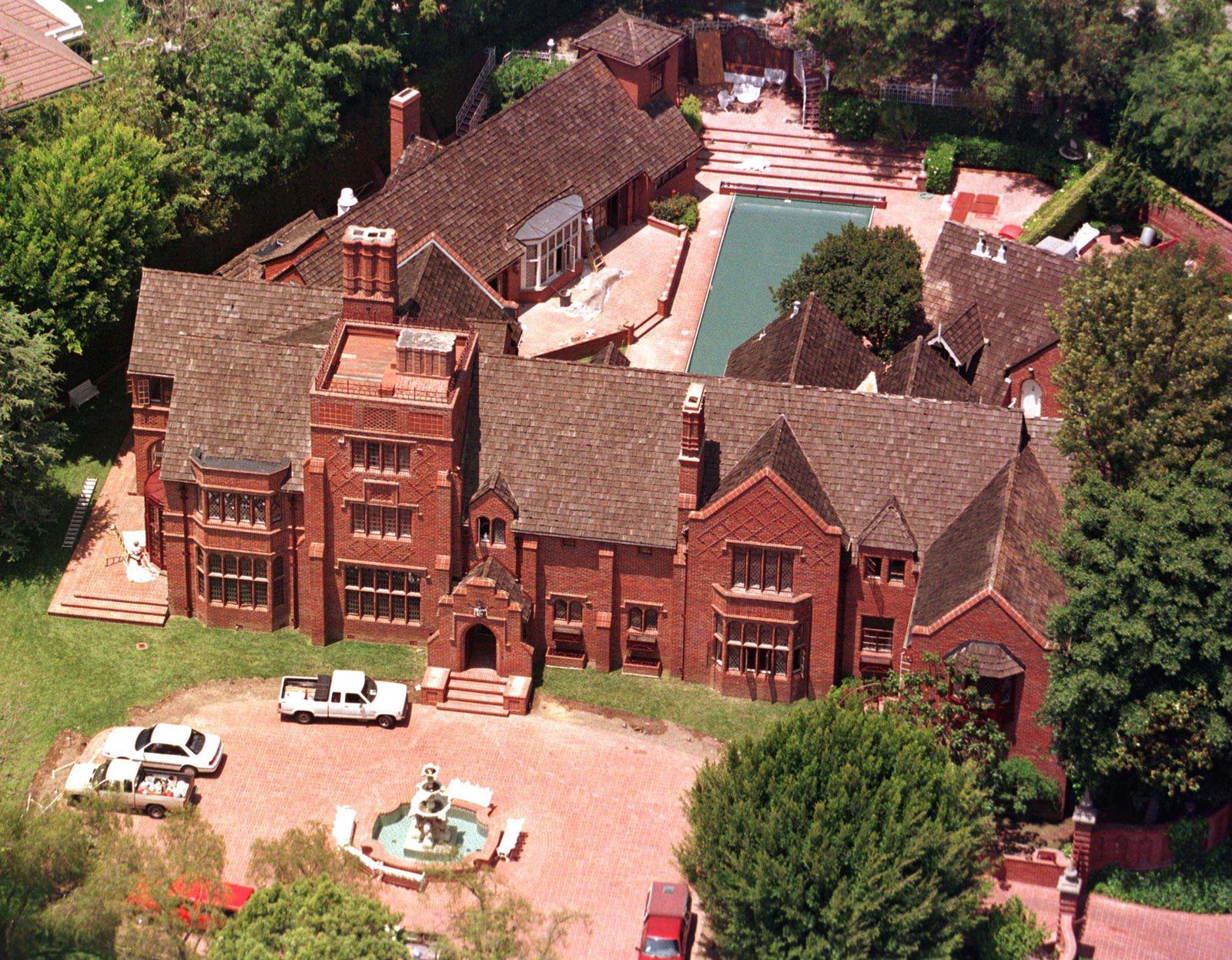
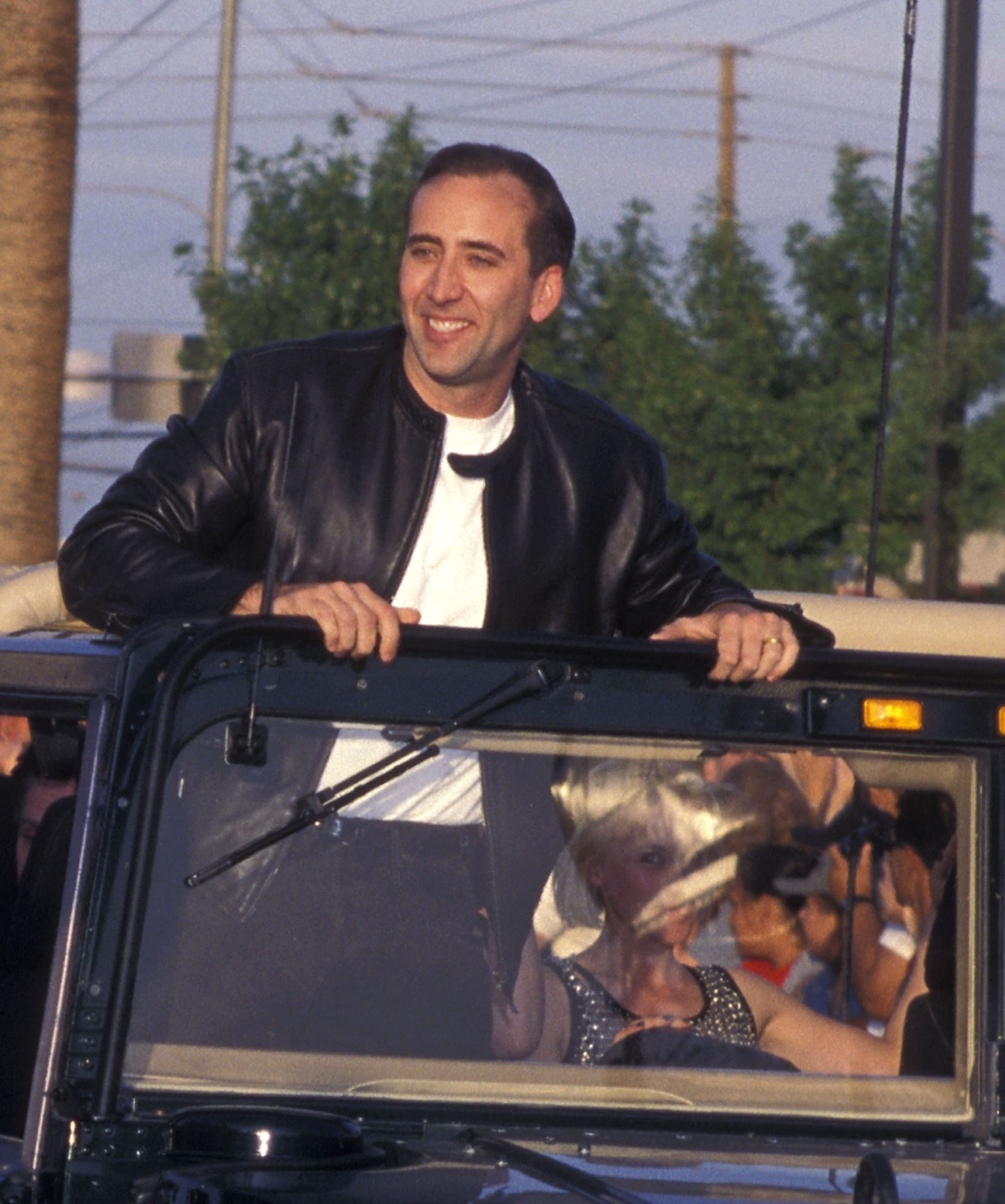
One of the first major properties in Cage's portfolio was the Copa De Oro Road estate in Bel Air, which he purchased from singer Tom Jones in 1998 for approximately $6.5 million. Located within the exclusive East Gate section of Bel Air, the residence had already passed through the hands of Hollywood royalty. Before Jones, the property was owned by Dean Martin, giving the estate a pedigree few celebrity homes can match. Designed by architect Gerard Colcord, the sprawling residence spans more than 13,000 square feet and sits behind gates in one of Los Angeles' most sought-after neighbourhoods. The purchase came at a time when Cage was fresh off a run of box office successes, including The Rock, Con Air, and Face/Off, and marked the beginning of a period in which his real estate holdings expanded dramatically.
Private Island in the Bahamas
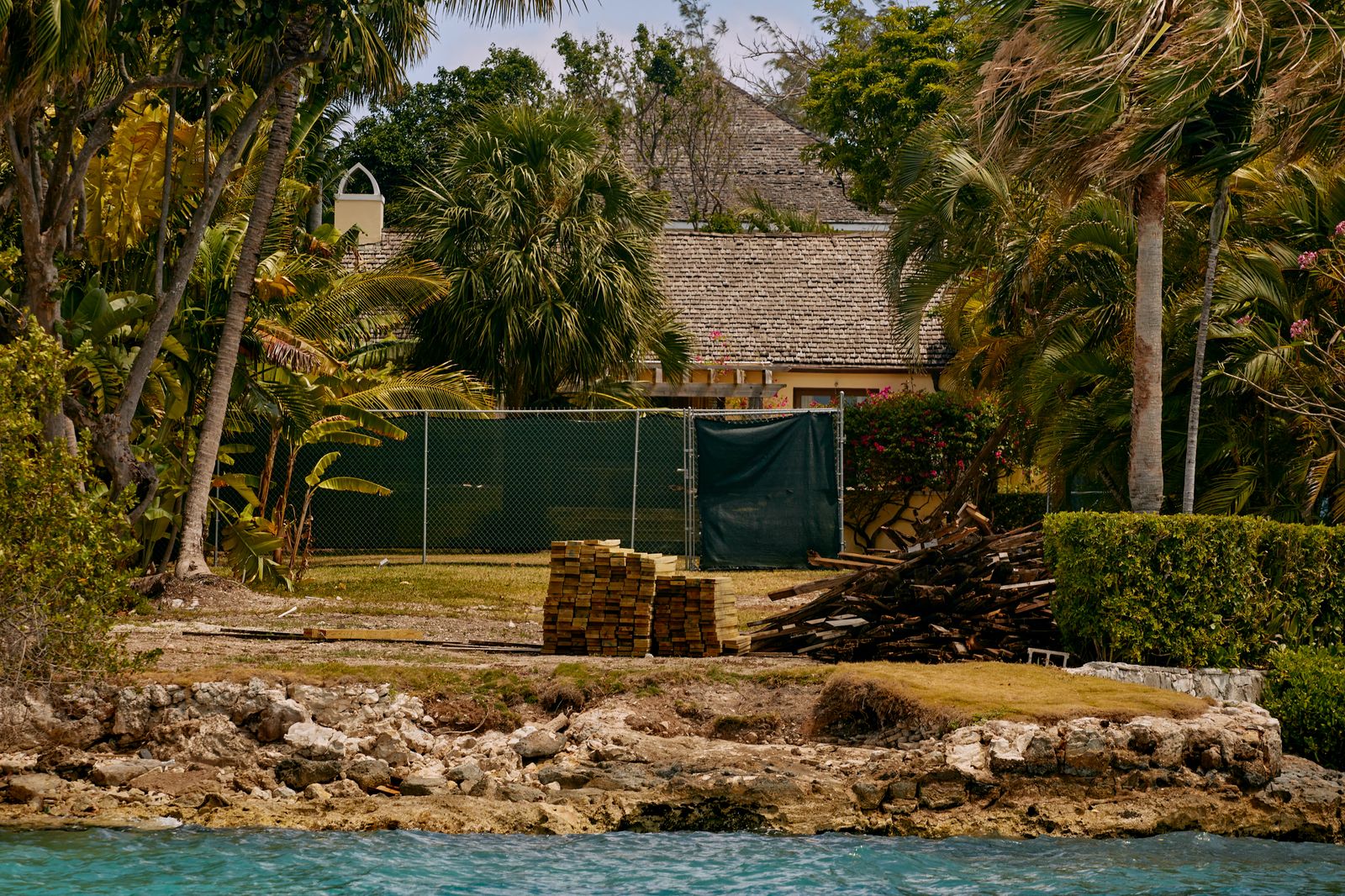
By the mid-2000s, Cage's property interests had begun extending far beyond California. According to a 2006 article from People, the actor purchased a home on Paradise Island in the Bahamas, an exclusive enclave just off Nassau known for its luxury resorts, white-sand beaches, and celebrity homeowners. Two years later, he took things a step further. In 2006, Cage reportedly paid around $3 million for a 40-acre private island in the Exuma archipelago, expanding his Bahamian holdings in an extremely ambitious purchase. Surrounded by turquoise waters and accessible only by boat or air, the island, known as Leaf Cay, offered complete privacy.
The Castle Years
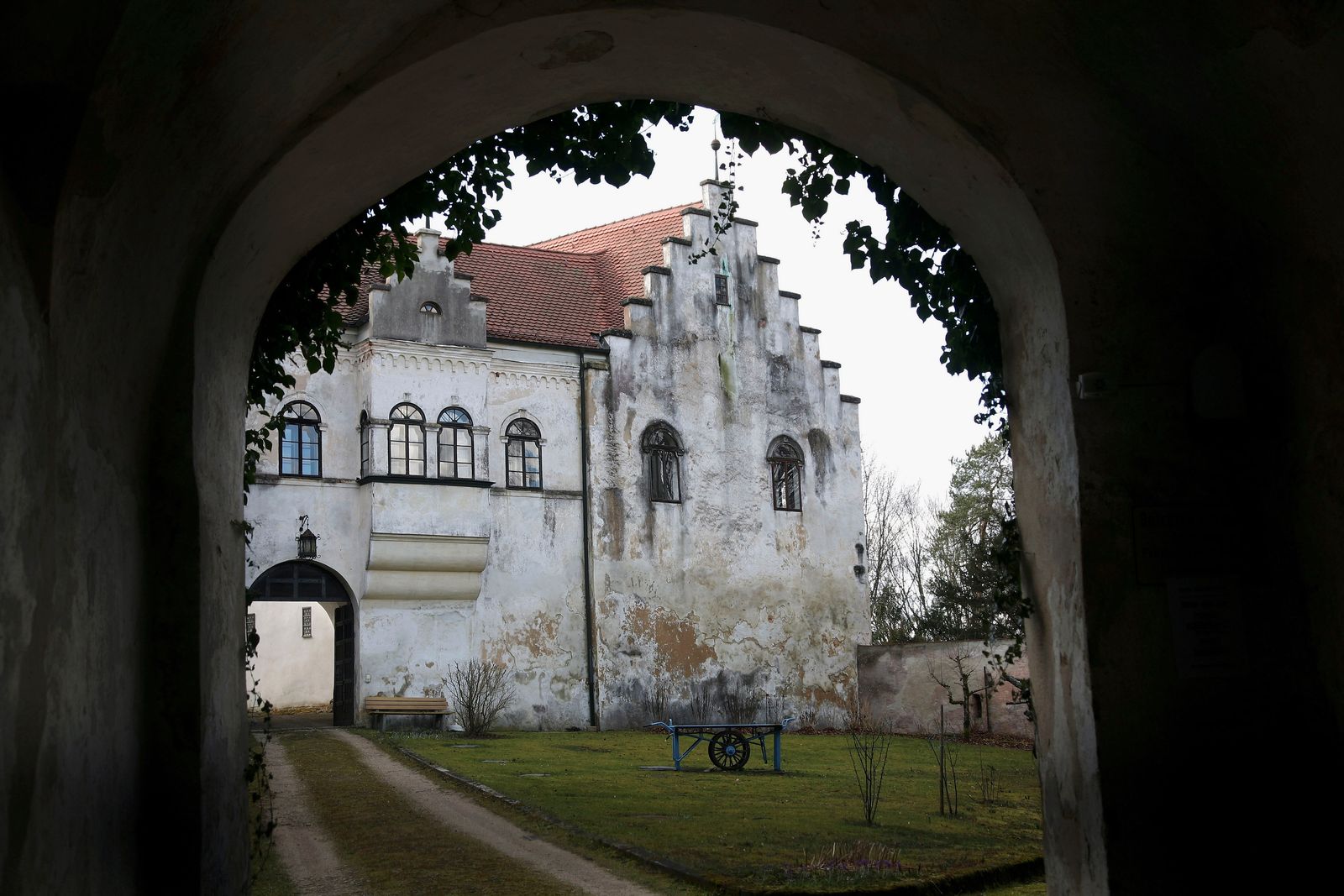
If buying a private island wasn't extravagant enough, Cage soon turned his attention to castles. In 2006, Cage purchased Schloss Neidstein, an 11th-century fortress in Bavaria's Upper Palatinate region that had remained in aristocratic ownership for more than 500 years. According to Reuters, Cage first discovered the property online before travelling to Germany to view it in person. The castle's estate agent later recalled that he knew almost immediately he wanted it, reportedly walking through the gate before declaring: “I think this is for me.”
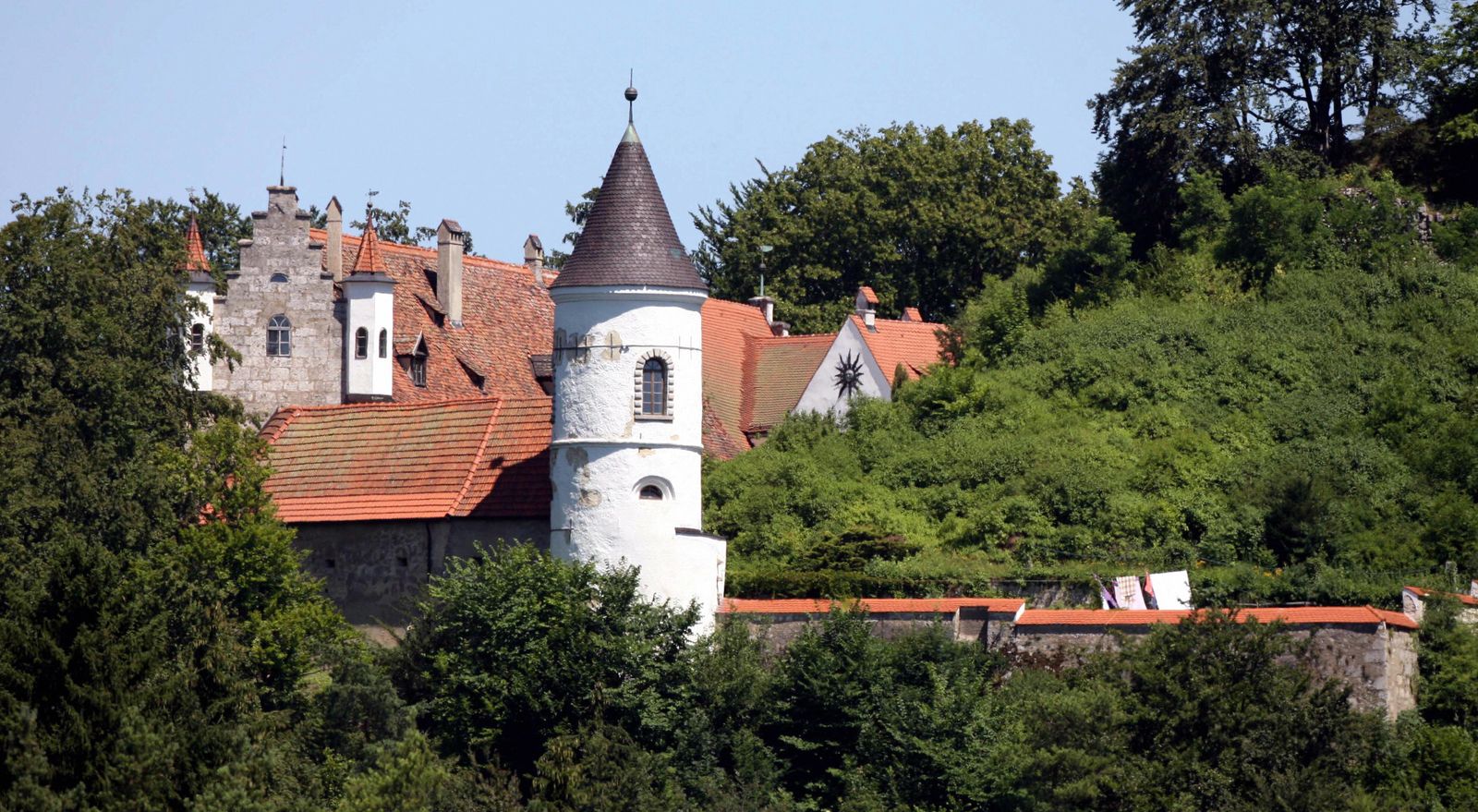
The purchase was about far more than novelty. Cage, whose mother was of German descent, said he felt a strong connection to Bavaria and had long admired German cinema. At the time, he reportedly envisioned the castle as a family retreat away from Hollywood, undertaking extensive restoration work on the 28-room estate, which included 10 bedrooms and nearly 400 acres of surrounding forests and meadows.
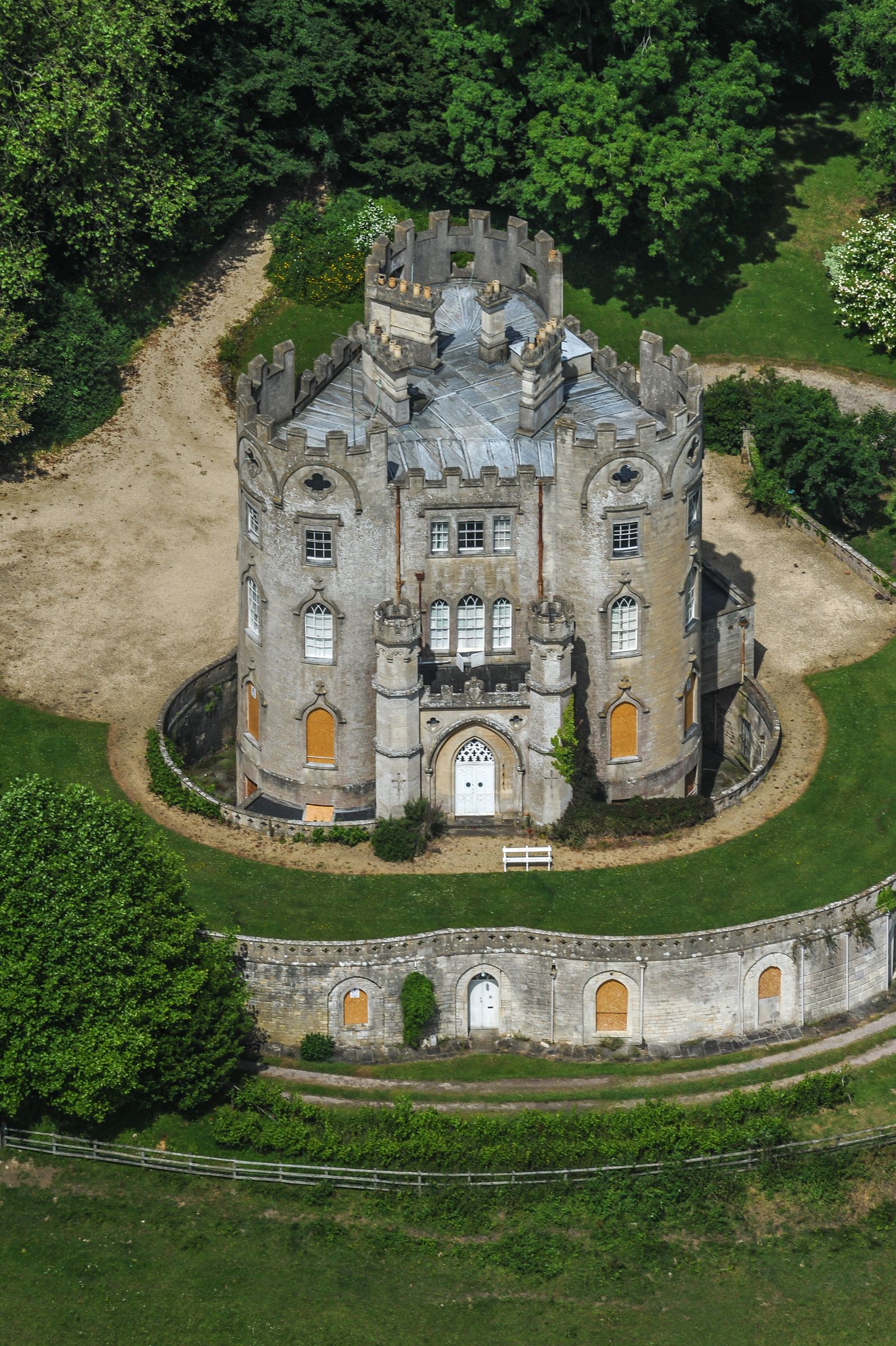
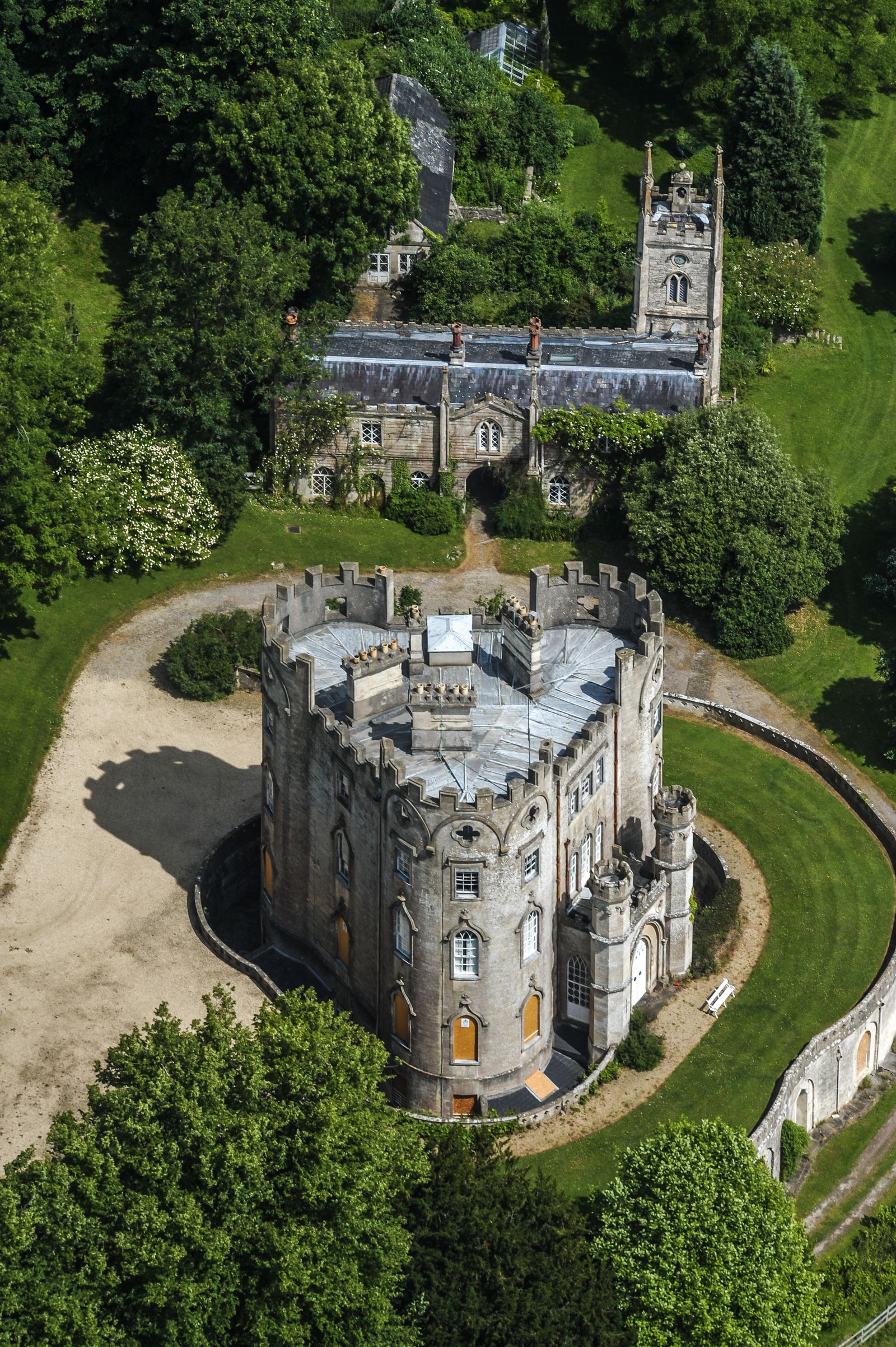
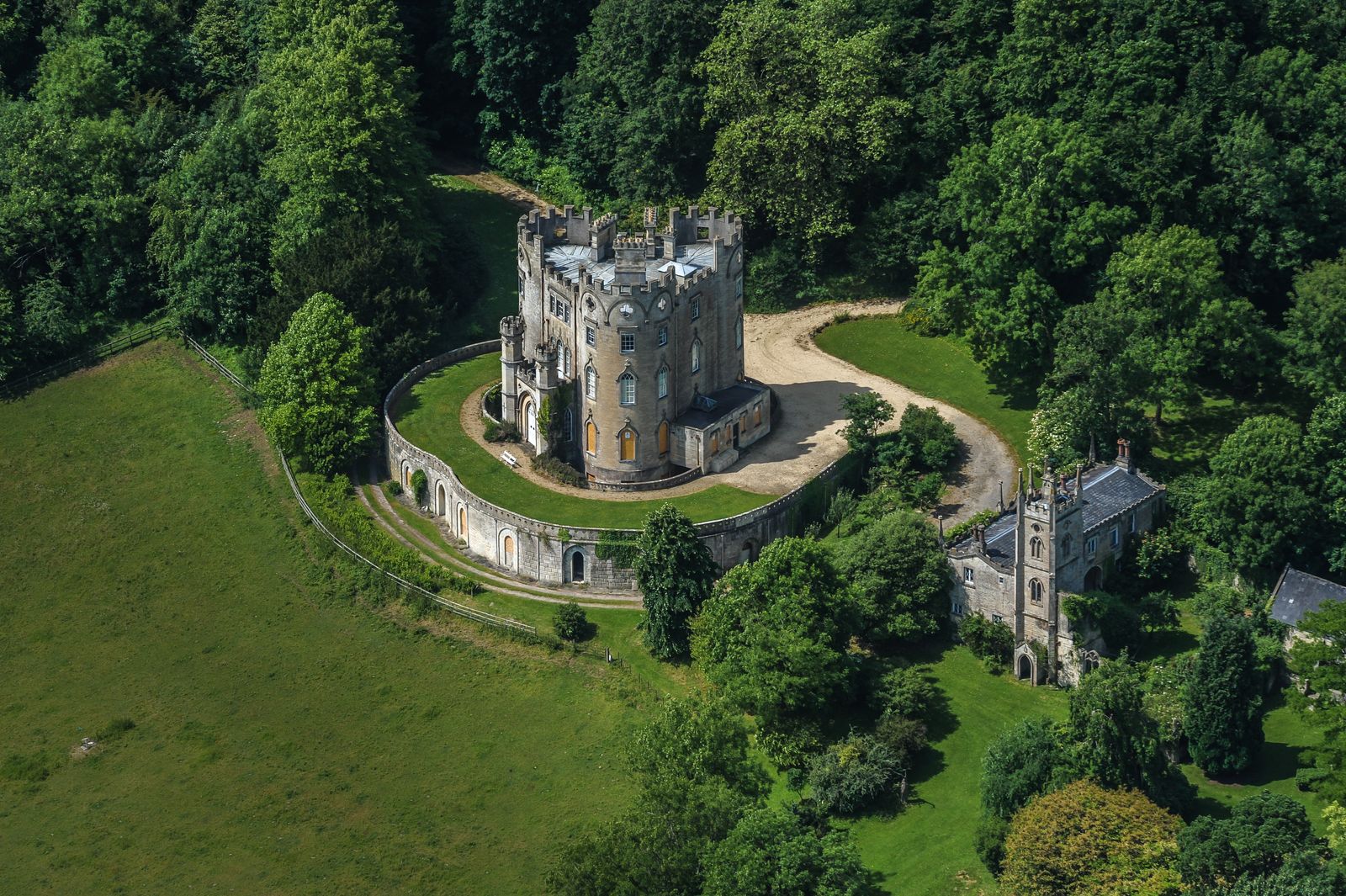
Yet one castle was apparently not enough. Just a year later, Cage added Midford Castle near Bath, England, to his growing collection. Purchased in 2007 for a reported $8 million, the Grade I-listed Gothic folly overlooks the rolling Somerset countryside and ranks among Britain's most distinctive historic homes. Together, the two acquisitions cemented Cage's reputation as one of Hollywood's most unconventional property collectors.
American Estates
Cage's appreciation for historic architecture wasn't limited to Europe. During the same period, he acquired a Tudor Revival residence in San Francisco's Russian Hill neighbourhood. The home reportedly spans more than 6,300 square feet and features six bedrooms, stained-glass details, a wine cellar, a library, and sweeping views of San Francisco Bay.
Around the same time, he added one of the largest residences in his portfolio: Grey Craig, a Rhode Island estate reportedly purchased in 2007 for approximately $15.7 million. Set on 26 acres overlooking the Atlantic Ocean, the 24,000-square-foot manor included 12 bedrooms, expansive entertaining spaces, and sprawling grounds. Then, it ranked among the most expensive residential purchases in Rhode Island history. Both homes would later be sold as Cage began reducing his property holdings following the financial downturn of the late 2000s.
New Orleans Mansion
Few cities became as closely associated with Cage's real estate portfolio as New Orleans. In the mid-2000s, he invested in several properties in Louisiana, including the infamous LaLaurie Mansion in the French Quarter. Purchased in 2007 for approximately $3.45 million, the LaLaurie Mansion remains one of New Orleans' most notorious historic homes. Closely associated with Delphine LaLaurie, the nineteenth-century property has been the subject of books, documentaries, and local folklore for decades, making it a landmark address in the city. Cage acquired the mansion during a period when he developed a strong connection to New Orleans. However, the home later became a high-profile casualty following the global financial crisis and was eventually sold after entering foreclosure proceedings.
Las Vegas Residence
Cage purchased a sprawling mansion overlooking the Las Vegas Strip in 2006 for approximately $8.5 million. At more than 14,000 square feet, the property embodied the scale of his collecting years, featuring seven bedrooms, eight-and-a-half bathrooms, a professional theatre, a 2,000-square-foot primary suite, an infinity-edge pool, and a 16-car subterranean garage. However, the residence later became one of the most visible symbols of the financial difficulties that followed the housing market crash. After entering foreclosure proceedings, the mansion was ultimately sold in 2010 for $5 million.
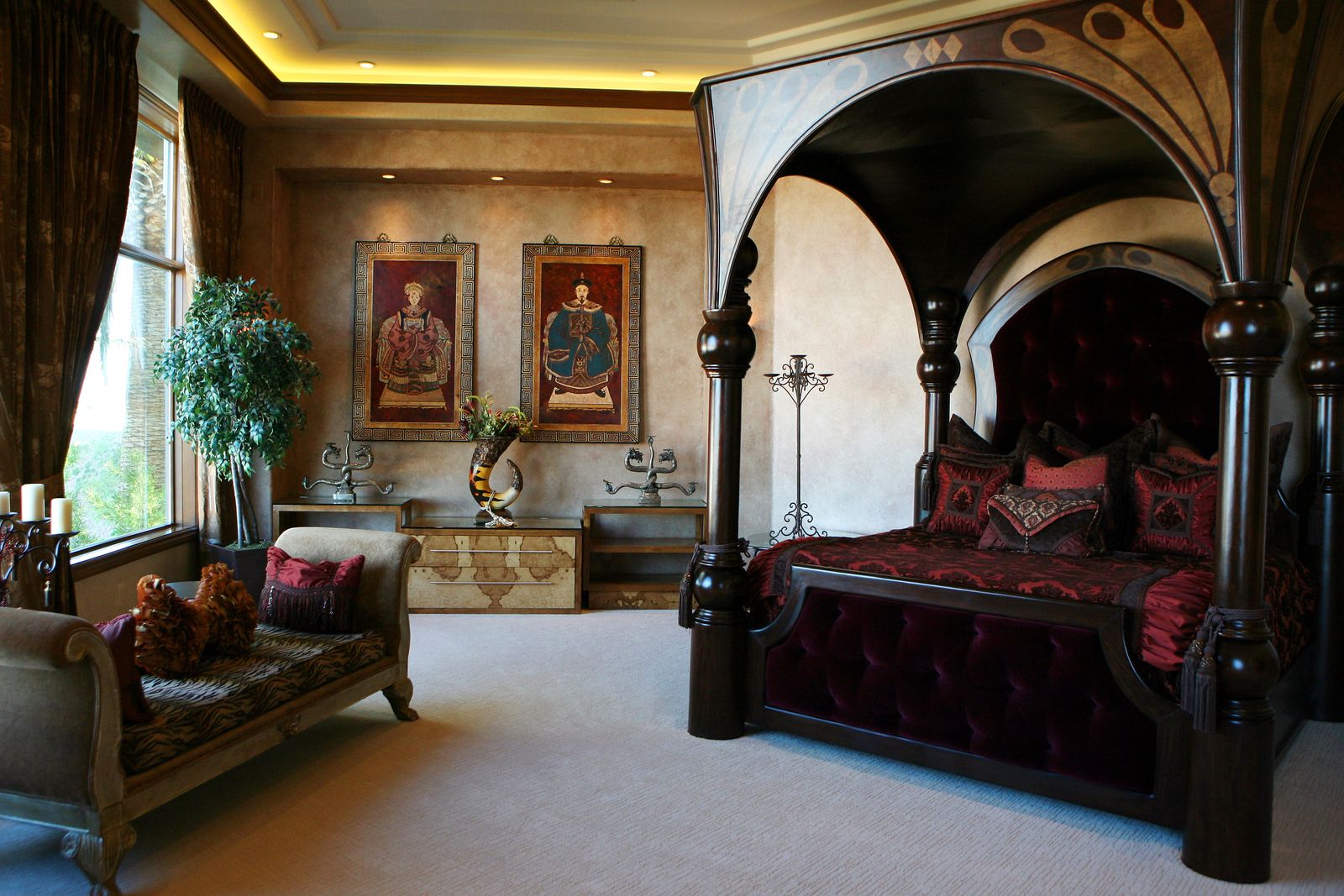
More recently, Las Vegas has remained an important base for Cage. In a 2023 appearance on 60 Minutes, viewers were given a rare glimpse inside his current Nevada home, a property described as “part Goth-cathedral and part avant-garde gallery.” The residence features a soaring wood-panelled library, an extensive collection of art and memorabilia, and even a pet crow housed beneath a custom indoor dome. Cage, who has openly described himself as a goth, shares the home with his wife and daughter. The contrast between the two homes feels fitting. One became closely associated with the financial crisis that forced Cage to part with many of his most ambitious acquisitions; the other reflects a more settled chapter in the actor's life, shaped less by collecting and more by the things that genuinely interest him.
Malibu Beach House
In addition to his Nevada residence, nearly two decades after the height of his collecting years, Cage returned to the California coastline with the purchase of a Malibu beach house in 2024. The residence, reportedly acquired for $10.5 million, spans roughly 4,000 square feet and sits directly on the sand. Floor-to-ceiling glass walls maximise ocean views, while multiple terraces, a rooftop deck, and contemporary interiors create a markedly different atmosphere from the castles, historic mansions, and sprawling compounds that once dominated his portfolio.
The purchase coincided with a renewed period of critical acclaim for the Oscar winner, following celebrated performances in films including Pig, Dream Scenario, and Longlegs. While the castles have been sold and the private island is no longer part of his portfolio, the Malibu property suggests a quieter chapter for an actor whose real estate history remains one of the strangest in Hollywood.


