

A meditation room – or nook, if space is at a premium – is a more spiritual alternative to a home library or study, but in a sense, their core purpose is the same: to give you quiet time to think, away from the bustle of work and family life. Extensive studies have been conducted on the benefits of meditation, and while the results are varied, they suggest that it may reduce stress and blood pressure while improving sleep and mental clarity.
Dedicating an area of your home to meditation requires careful thought and a little time – it’s wise to spend a while in the spot you’re considering, to make sure it’s suitable for your needs. However, it can also require much less effort than you think. Try these ideas for inspirational meditation zones.
Reimagine dead space
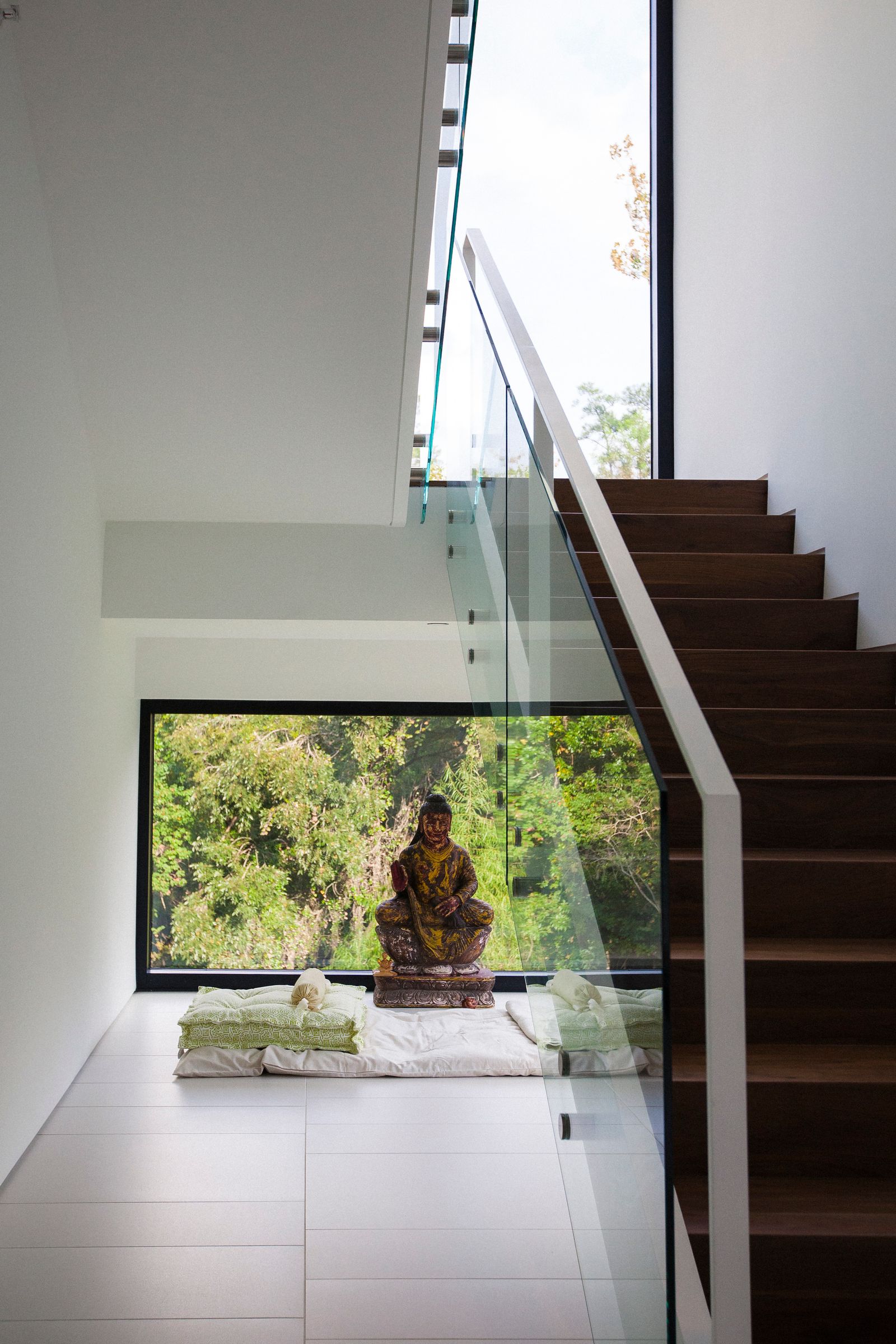
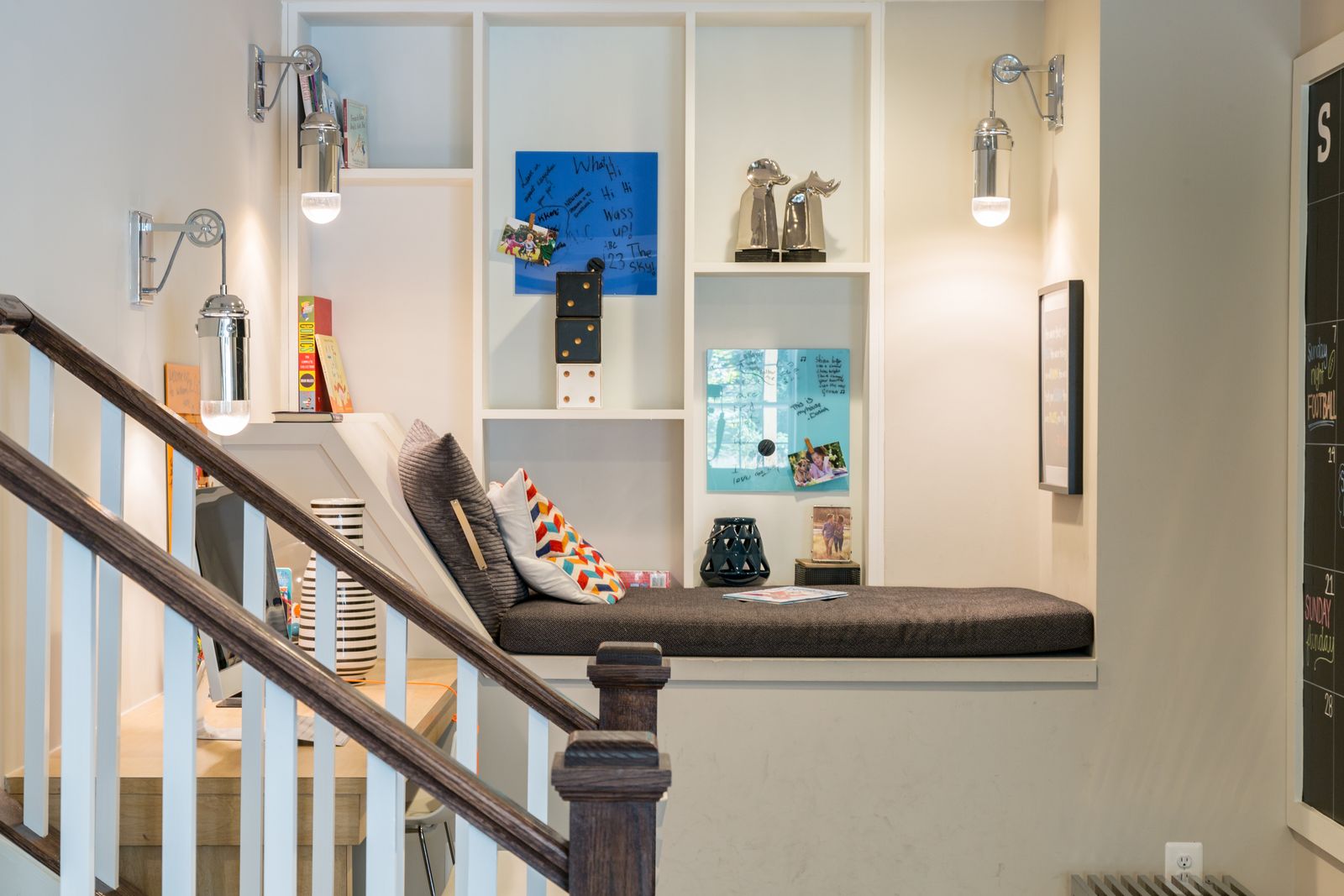
Having a designated place for meditation matters because your mind creates an association between the space and the practice, helping you to maintain focus and to develop a consistent habit. However, you don’t need to have a whole spare room at your disposal. A corner of a quiet space (perhaps a bedroom, dressing room or home office), a niche in a hallway or on a landing, or even a spot beneath the stairs can be repurposed into a meditation room, as long as you can sit there undisturbed and have sufficient room to move your limbs comfortably. To make it more intentional, eliminate clutter from your field of vision and decorate only with mindfully chosen ornaments, whether that be plants, crystals, an incense holder or an artwork that you find particularly inspiring.
Focus on one colour
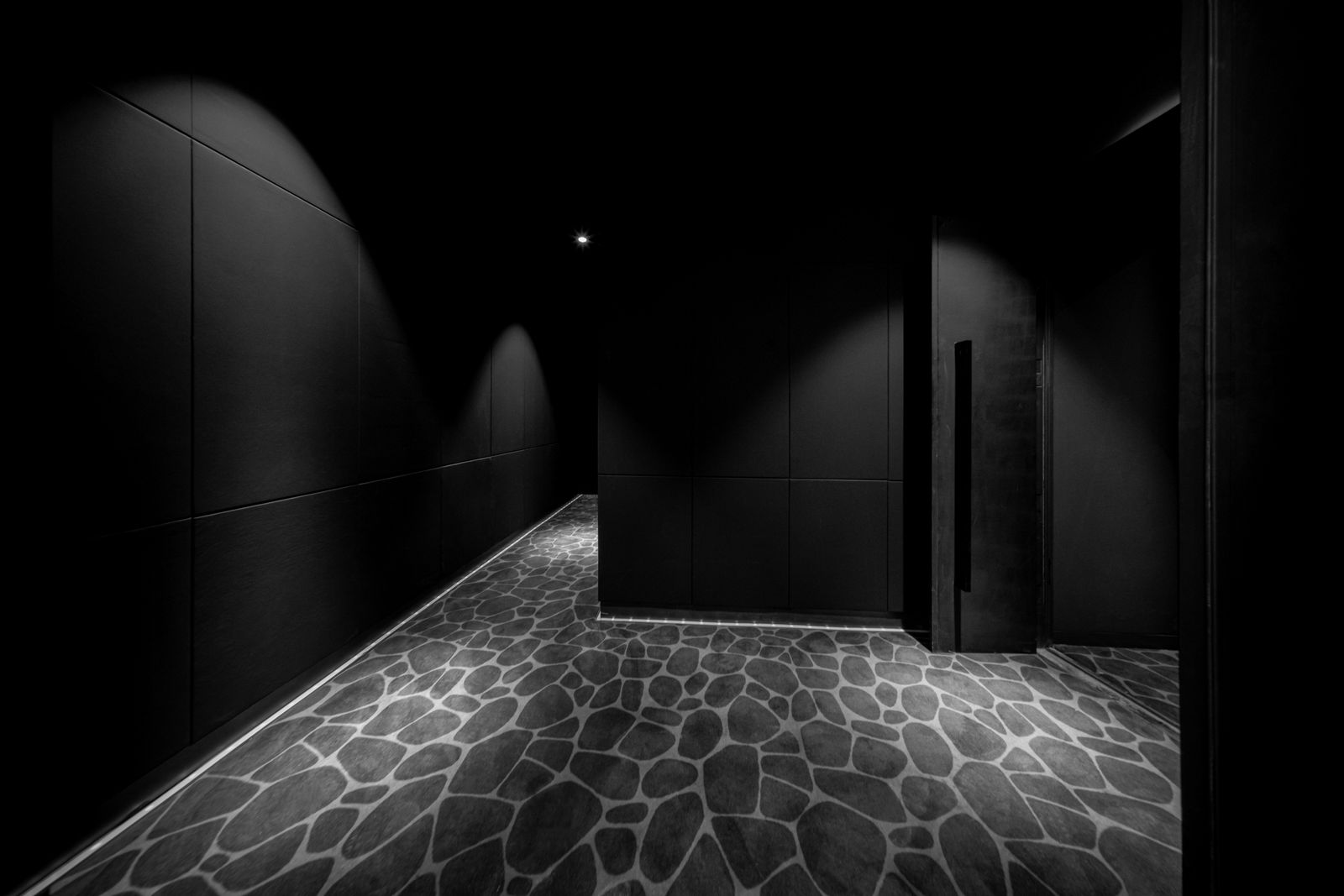
Meditation rooms are stereotypically white, but there’s no need to follow that rule unless you find it conducive to calm. It’s true that light, soft shades will help you relax – colour psychologists recommend mint green for positive energy and pale blue for restfulness – but it could be that something entirely different stimulates or stabilises your mind. We’ve seen all-black meditation rooms that feel cosseting, for example. The key is to identify one colour, and not complicate it with contrasts: a meditation room works best when kept simple, without distractions.
Use nature as a theme
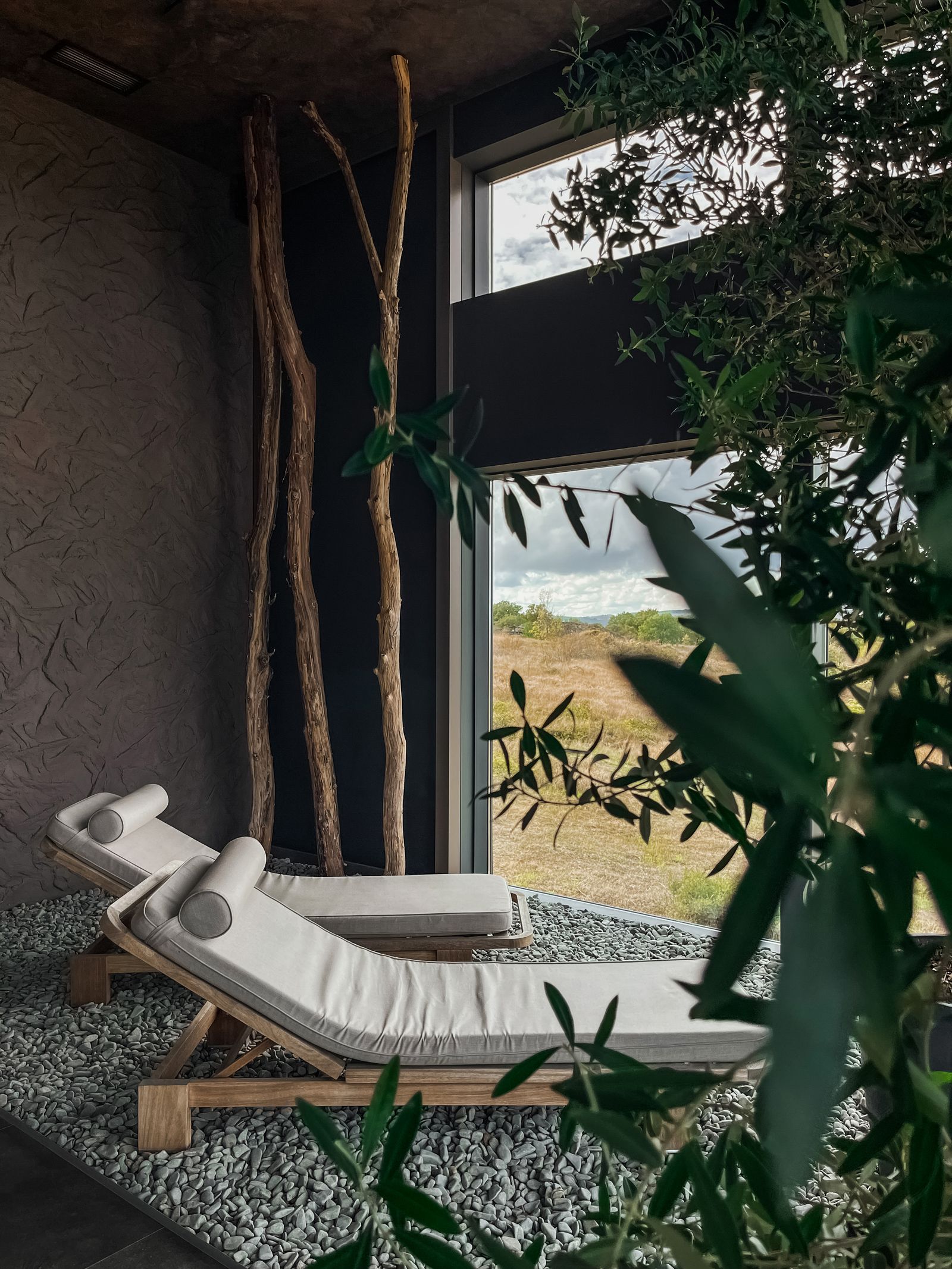
As well as helping to oxygenate your space, plants and organic elements provide a link to nature that’s timelessly calming. Look to philosophical concepts like wabi-sabi for inspiration, and decorate your meditation space with branches, a raw-wood table or bench, and living greenery. Organic finishes such as tatami mats and grasscloth wallpaper enhance the look while maintaining serenity.
Elevate sound quality with a water feature

To foster a successful meditation ritual, it’s crucial to pick the quietest space in your home. Even so, it’s not always possible to eliminate all background noise. Water features are a simple way to introduce a relaxing sound current whose constant flow will minimise distractions. They don’t require complex engineering: just a small solar-powered fountain, or a vertically mounted feature on a wall, is enough to create a soothing soundtrack.
Use screens and curtains to cultivate quiet
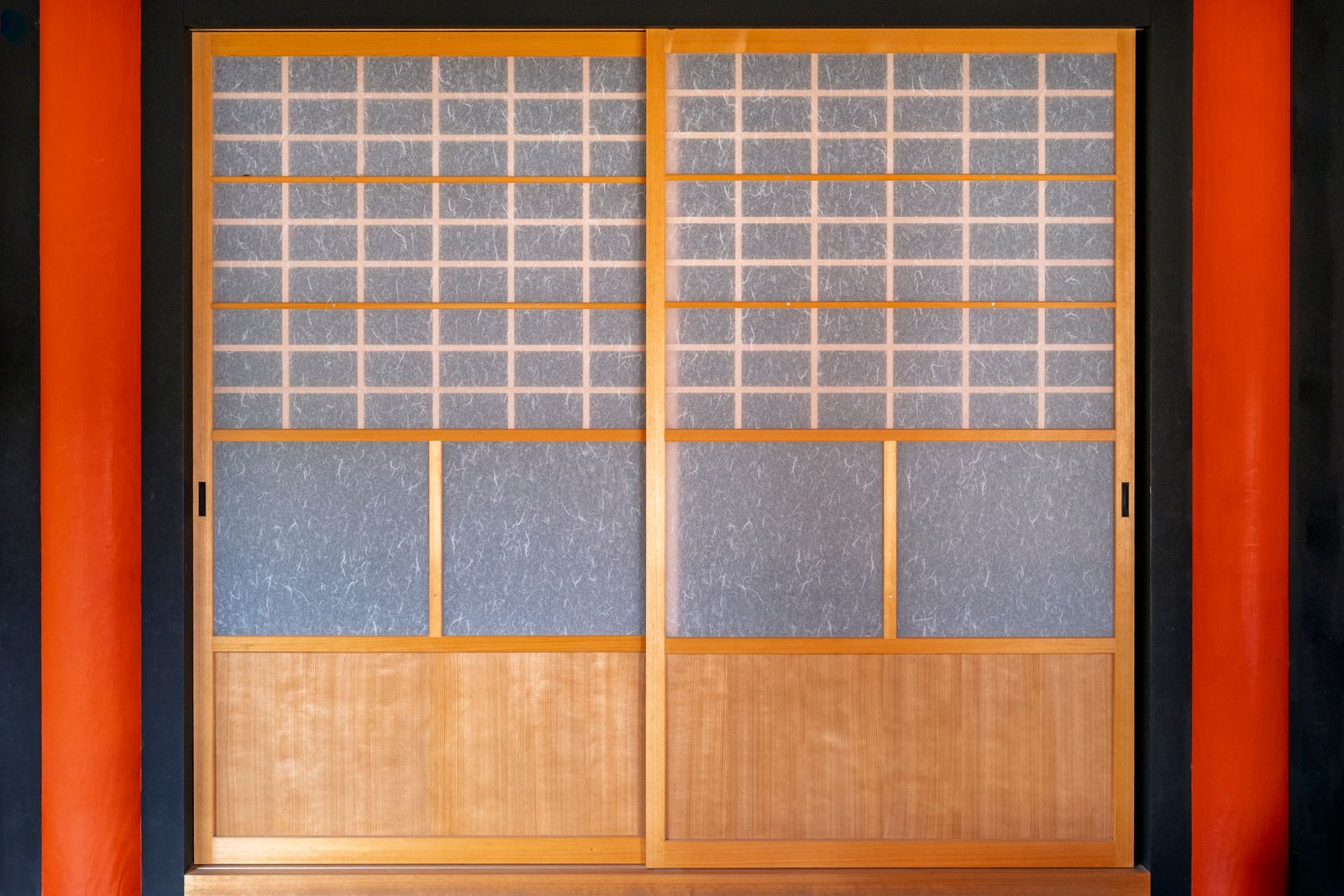
Even if you’ve mastered the art of creating a silent space, the simple act of enclosing it can foster a sense of seclusion and retreat. Sliding panel doors and thick curtains are useful in rooms that need to fulfil more than one function; you can simply close off your meditation zone at will. In rooms that are used solely for meditating, or where you want sunshine to enhance your ritual, jali screens or sheer curtains create an informal enclosure without obstructing light. And for a restful acoustic, explore soundproof solutions – Danish brand Kvadrat specialises in structured panelling systems and noise-muffling curtains.
Create a sun room… Or retreat to a dark cocoon
.jpg)
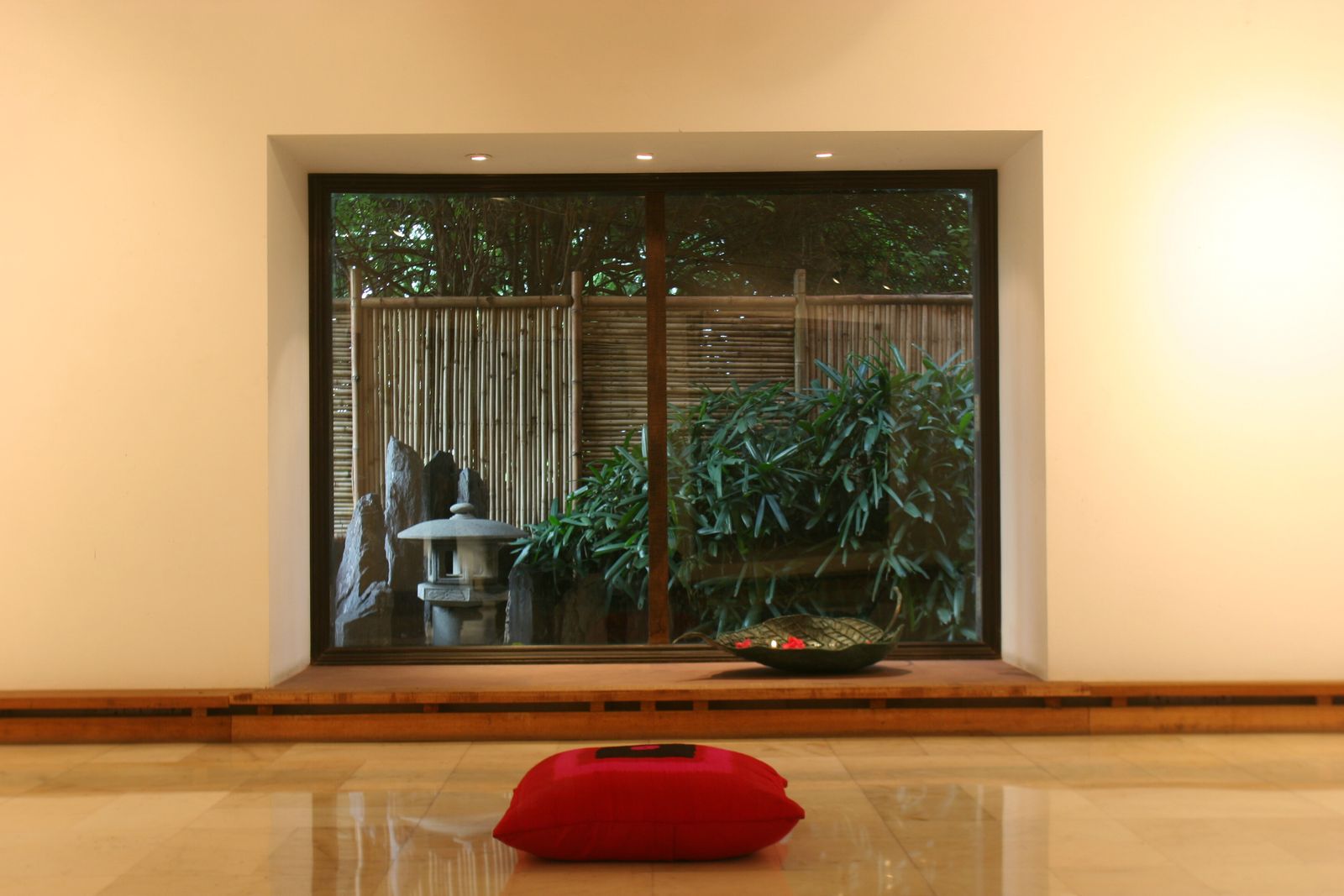
Consider the time of day you prefer to meditate. If it’s in the mornings, a sunny atrium, a nook next to a large window, or a covered porch can be the ideal meditation zone. The view matters: trees, a quiet courtyard or a pool are beneficial, as they are free of distracting human presence. Consider installing a window seat or low seating where you can sit in comfort. If you have a skylight, this can also be a prime spot, offering mood-enhancing natural light with minimal visual clutter.
If you plan to meditate in the evenings (or simply want to maximise your sense of seclusion), a more enclosed space can be a better choice. This is where basement rooms, lofts, and mezzanine levels come into their own. Focus on dimmable lighting: portable, rechargeable lamps if you need to use the space at other times, or space-saving concealed strip lights. To make a feature of a meditation nook, try backlit panelling in a luxurious material such as onyx; it will elevate your daily ritual into something special.
Opt for soft textures and embrace empty space
Ancient Vedic meditation techniques emphasise comfort and rest, so banish all but the softest textures. Think sheepskin throws, velvet cushions, and perhaps a plush blanket in case you need to warm up. Everything should be easy on the senses – the only exception, perhaps, is a table, if writing a journal is part of your meditation practice. The more minimalist the space, the better – empty walls mean fewer interruptions to your thoughts, and empty floors give more room to move with ease.

.jpg)

