

Partial closures within the Strait of Hormuz and rising oil prices has meant that the cost of shipping essential building materials has risen to extreme measures, affecting construction, architecture and design around the world.
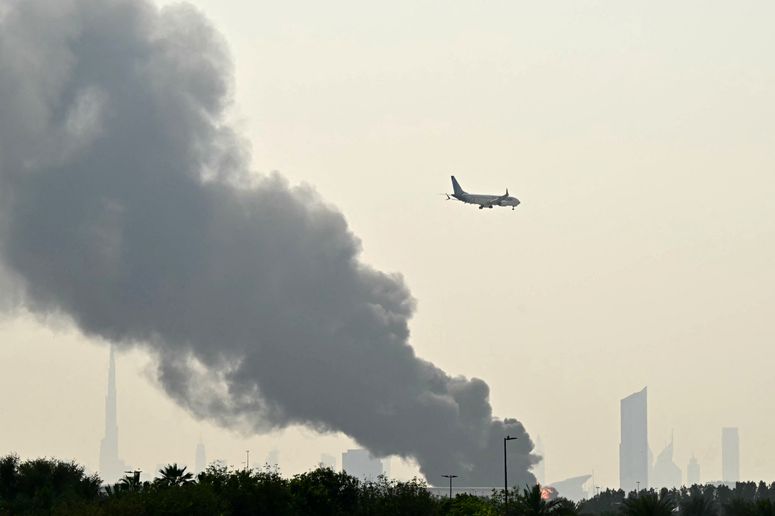
In the past, whenever there has been an oil crisis, a headache for the construction industry has rapidly ensued. Material prices rise, driven by soaring costs for the energy required to produce them; moving commodities to where they are needed becomes more challenging, thanks to a hike in shipping and fuel costs. This time around, the conflict in the Middle East has an added sting: severely compromised transport flow through the Strait of Hormuz means lengthy delays to shipments, higher insurance fees, and a knock-on effect for building schedules.
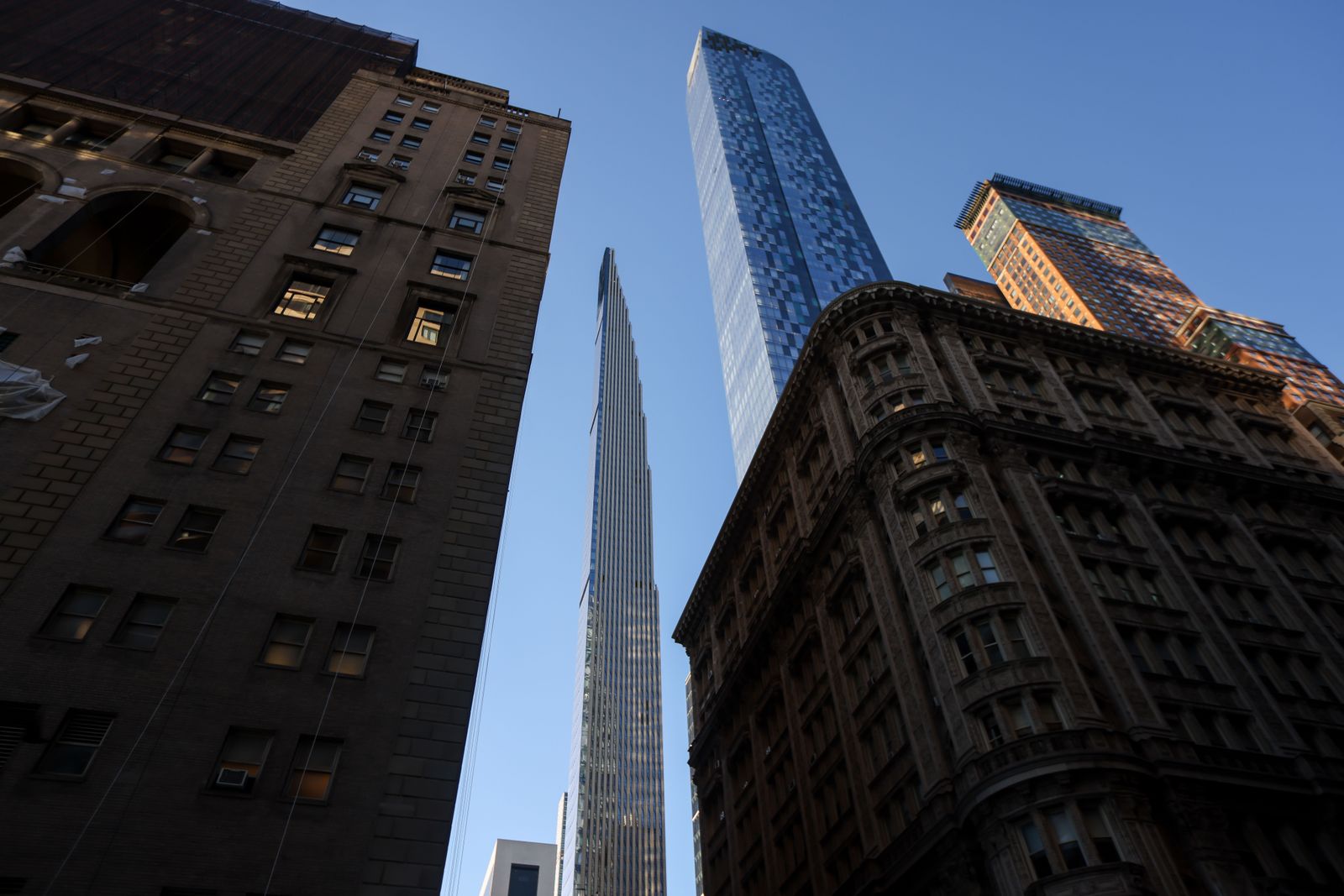
There may be a limit to what can be done to mitigate impact for projects which are already at an advanced stage, but there are signs that architects and construction companies are shifting their strategy for new endeavours. The stakes were already high: a recent report from global professional services company Turner & Townsend says that the cost of building a skyscraper in New York has risen 30 per cent since 2020, with Tokyo and London even worse affected (35 and 40 per cent respectively).
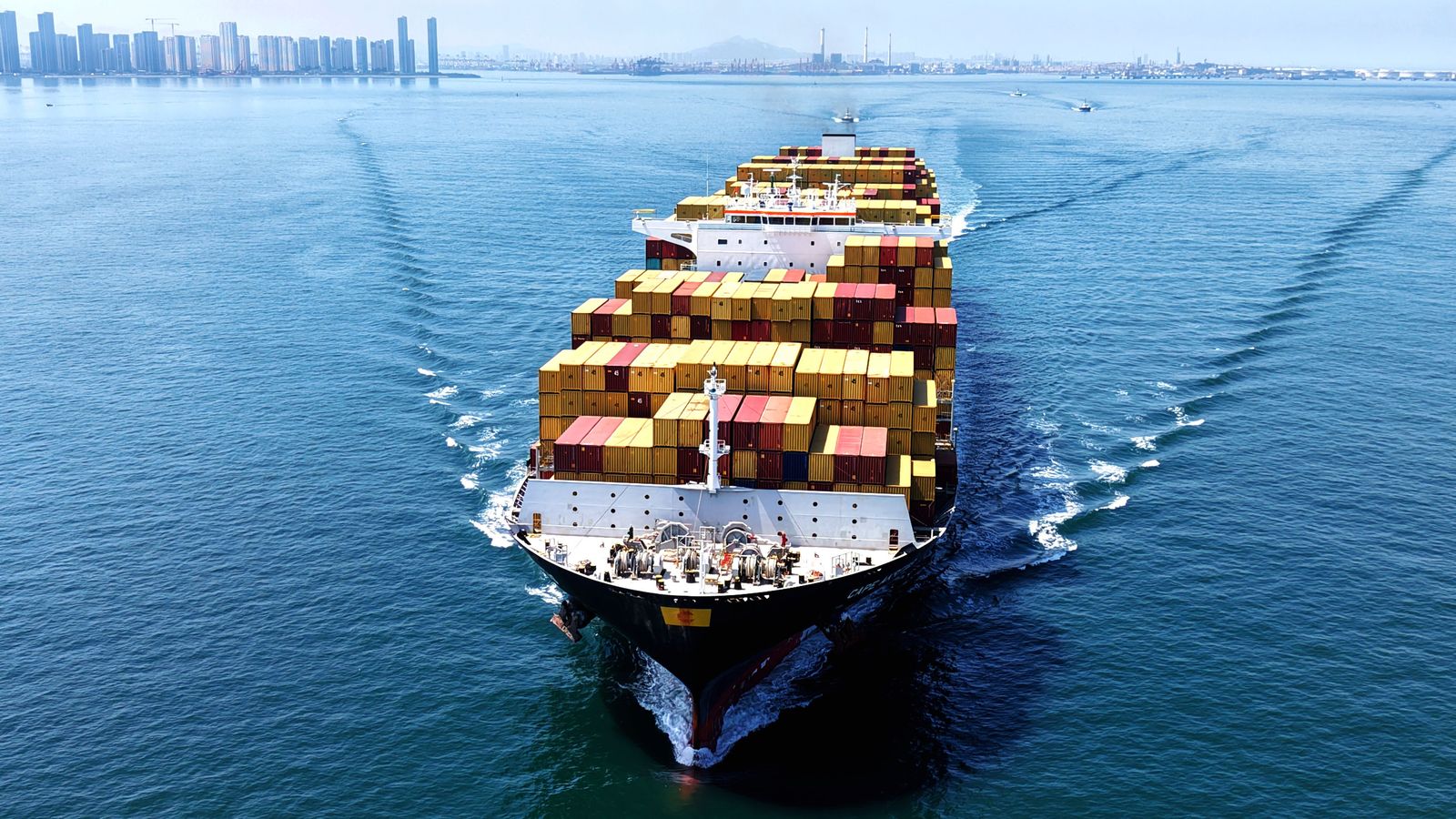
The construction industry is heavily dependent on “just-in-time” shipping schedules – not just in order to supply materials, but also for organising vital machinery and project waste. According to the World Bank, 80 per cent of the world’s goods are transported by sea, and rerouting shipping around the Cape of Good Hope adds weeks of delay. Add to this the impact on material costs: oil-based products such as plastic piping and insulation have seen an immediate rise, while industry experts report a significant impact on substances which are energy-intensive to produce, such as steel, aluminium, concrete, cement and bricks. Many of these materials are produced or sourced in the Middle East, which means a particular set of challenges for architects working in the region.
.jpg)
What is interesting is that the architects we spoke to are interpreting these challenges not just as a calamity, but as an opportunity. “We are observing increasing pressure on global procurement and logistics, particularly around imported furniture and specialist finishes that often rely on longer international supply chains,” says Jonathan Ashmore, founding principal at London and Dubai-based practice ANARCHITECT. “But in general, I believe the current climate is reshaping procurement strategies rather than suppressing architecture itself. It is motivating both architects and clients to think more carefully about longevity, sourcing, resilience and the value of permanence in design.”
.jpg)
Rather than an imperative to redesign projects, Ashmore points to “a growing importance placed on flexibility, procurement resilience, and material intelligence during the design process. This often means identifying materials and pieces that can only be imported early on; simplifying the complexity of some construction systems; and increasingly working with locally available materials or regional fabrication capabilities.”
.jpg)
Architect Elie Riachi, who is based between Beirut and London, has experienced similar issues – and senses a similar route towards recovery. “The disruptions caused by regional airspace closures and instability have affected transportation routes and delivery timelines, especially for products sourced from European and Far Eastern brands,” he says. “While not all materials have been directly impacted, lead times and availability have become less predictable, requiring closer coordination with suppliers and more flexibility in project scheduling.” Like Ashmore, he stresses the need for forward planning and adapting to the use of local materials. “This has increasingly become part of our strategic planning process from the outset of each project,” he explains. “We are now placing greater emphasis on specifying materials, finishes and fixtures that are either readily available in stock, or can be sourced with a higher level of certainty despite the current instability. In some cases, this means reassessing imported elements and proposing alternatives that can ensure continuity in procurement and project execution, without compromising the overall design intent.”
.jpg)
“Naturally, this situation has encouraged a stronger focus on locally sourced materials, suppliers and fabricators, particularly in relation to FF&E,” Riachi continues. “Beyond addressing logistical challenges, this shift has also created an opportunity to further support and highlight local craftsmanship and regional design industries. Rather than simply opting for ‘cheaper’ alternatives, the emphasis has been on finding high-quality local solutions that align with the project’s aesthetic and functional requirements while offering greater reliability in sourcing and lead times.”
Many industry experts are advising professionals to keep an eye on risk-allocation provisions in their contracts. Shipping companies are expected to impose “conflict surcharges” to offset the dangers of working in the Middle East, and delays around the Strait of Hormuz could push projects into dispute. In the absence of a formal declaration of war by the US Congress, the status of “force majeure” clauses is also a grey area. But for architects like Ashmore, the various pressures brought about by the crisis may have hidden benefits in the long term. “In some instances, highly bespoke imported finishes are being reconsidered in favour of locally crafted alternatives. We do not see this as a compromise, but as an opportunity to create architecture that feels more grounded in place and context,” he explains.
Clients are prioritising “permanence and resilience” over “excessive complexity or purely image-driven specifications”, he continues. “This aligns closely with a wider shift we have observed - away from speculative development and towards legacy-driven projects. Rather than diminishing architectural ambition, periods of uncertainty often sharpen the industry’s focus on what truly matters: longevity, contextual relevance and emotional connection. We are already seeing a movement away from architecture driven purely by spectacle or rapid development cycles, toward projects that are more deeply rooted in place, climate, craft and human experience. In many ways, this could lead to more meaningful and regionally distinct architecture.”
This article is part of a new AD Pro series by AD Middle East.


