

Called DATALAND, the world's first AI museum opens tomorrow, challenging the traditional museum model by replacing static displays with responsive systems that evolve through data, environmental conditions, and visitor participation
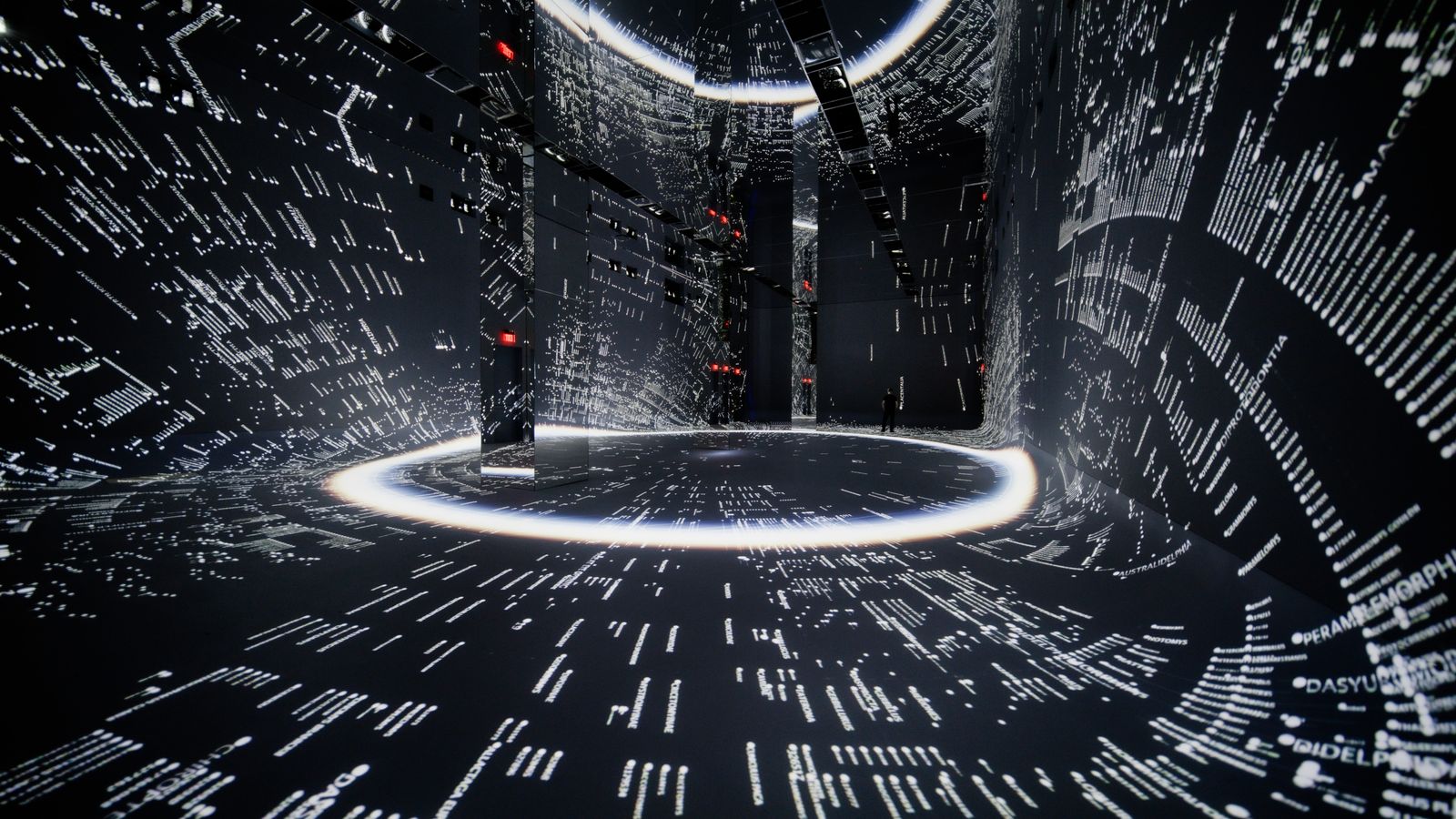
In downtown Los Angeles, visitors can now experience a new kind of museum. DATALAND is a 25,000-square-foot immersive, generative, multisensory AI arts museum – the first of its kind. Occupying five galleries within Frank Gehry’s Grand LA complex, the museum brings together large-scale installations that blend artificial intelligence, art, and audience participation. Upon entering, it could feel like any other immersive exhibition. That is, until you realise the room is reacting to you and not in the metaphorical sense often promised by experiential design, but literally.
.jpg)
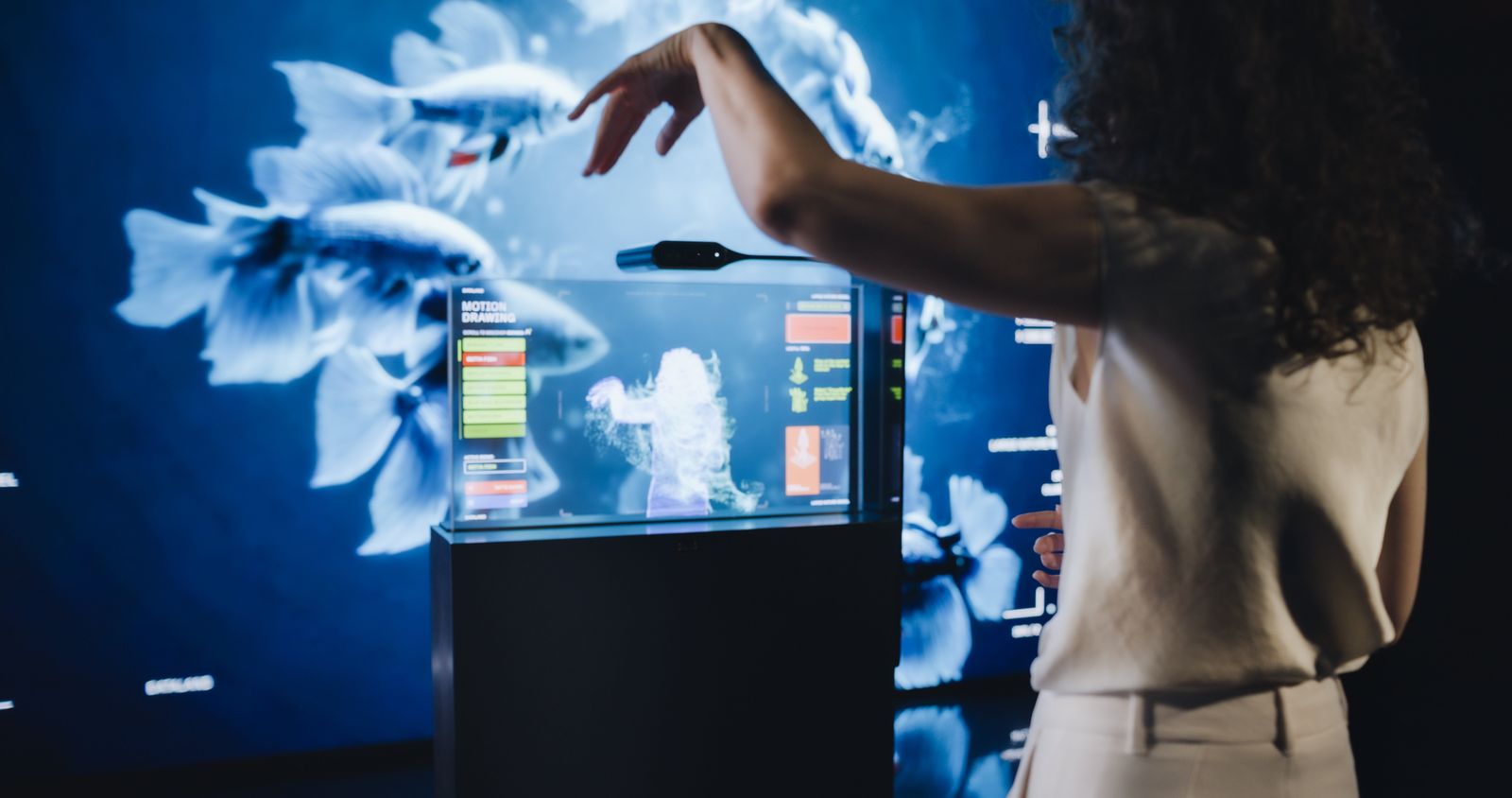
As visitors move through DATALAND’s galleries, their proximity to one another becomes part of the AI museum's computational framework, subtly influencing the environments unfolding around them. It’s like stepping inside a system designed to register your presence. Though “living museum” sounds like pitch-deck jargon, here it serves as more than a slogan. Here, it helps to distil an ecosystem that evolves through an ongoing exchange between audience, data, and machine intelligence.
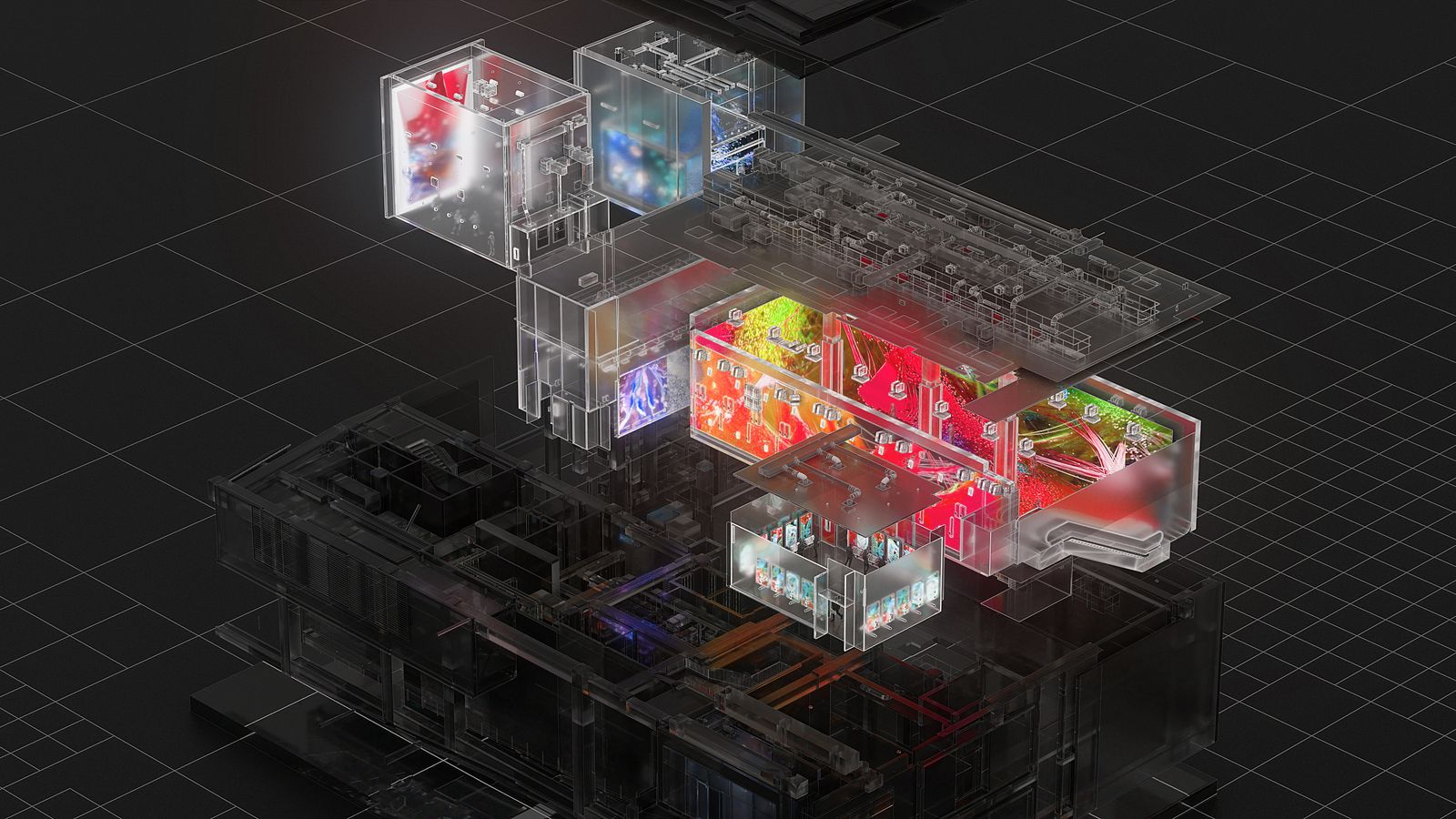
Co-founder Efsun Erkılıç, who steers the project’s creative and institutional strategy, unpacks that high-concept premise for me further: “Most museums are designed around objects that remain static,” she explains. “DATALAND was designed around systems that are constantly evolving.” She describes the institution's galleries as being built on a computational infrastructure called Connectome, allowing artworks to respond to real-time data, environmental conditions and visitor participation. “The galleries are less like rooms that contain artworks and more like systems that host processes.”
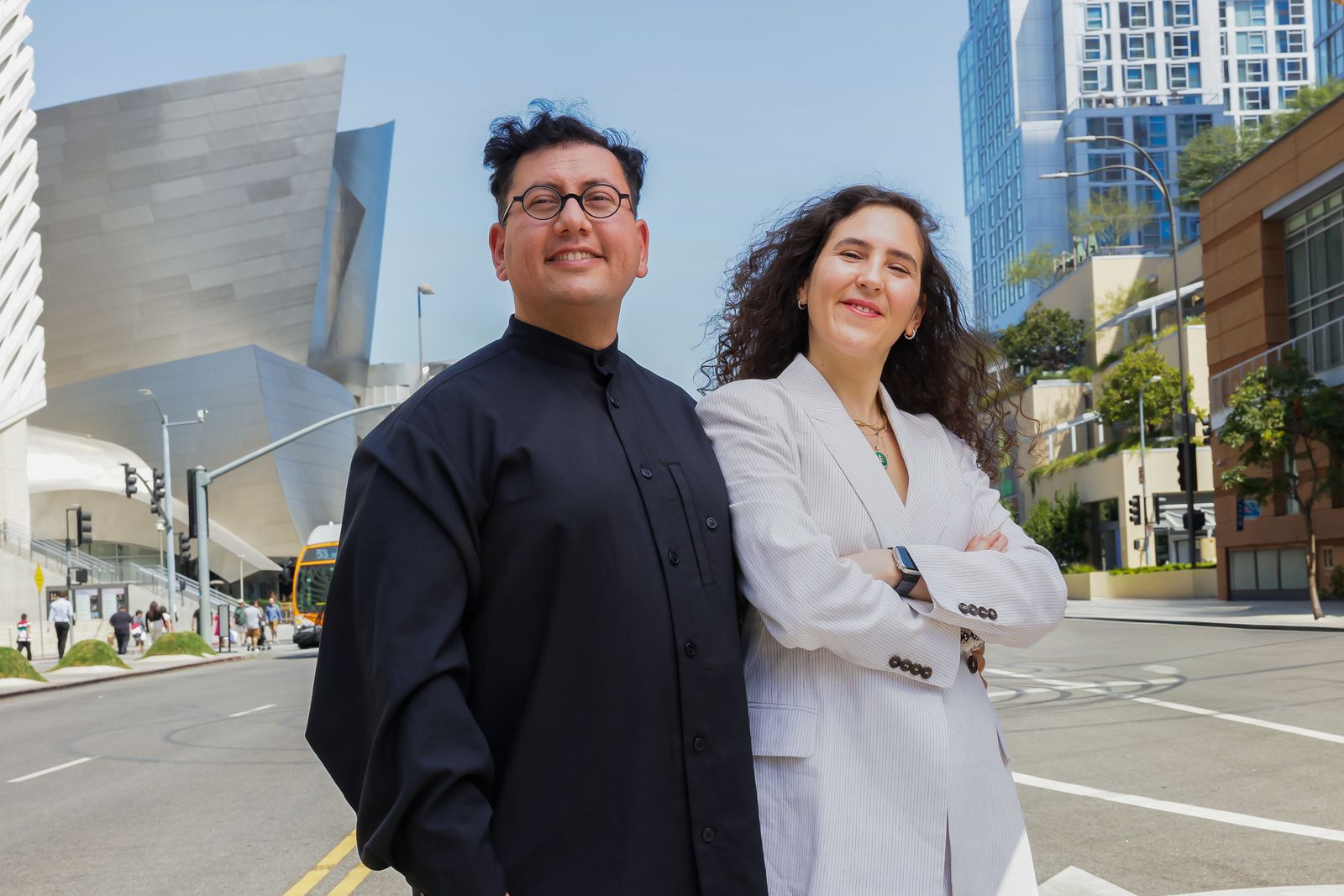
As a painter, new media artist, and the executive producer who co-founded Refik Anadol Studio in 2014, Erkılıç has long focused on how abstract digital concepts translate into physical space. While the studio is globally synonymous with her husband and co-founder, the media artist Refik Anadol, Erkılıç provides the institutional architecture, grounding high-concept machine learning within tangible, human environments. Guests are invited to wear biosensing devices that measure physiological signals, feeding anonymised data into the AI museum's broader computational framework to influence the environments in real time. This is most clearly expressed in Gallery D, known as Sanctuary, where visitor responses are aggregated into a continuously evolving artwork. Rather than visualising an individual's emotions, the installation attempts to capture a collective emotional state, transforming the presence of hundreds of visitors into a shared portrait of the audience itself.
Through its Data.Token system, visitors receive a digital record at checkout containing a personalised sensory archive of their visit – a bespoke fingerprint of their exact journey through the space. In a museum built around constant change, memory itself becomes part of the collection. Traditional museums ask visitors to interpret what has already been made; DATALAND invites them to step inside and actively participate in an environment that is still becoming.
Despite appearances, however, DATALAND is not primarily interested in machines. It is interested in nature. Long before biosensors, generative systems, and immersive projections became part of the project, the museum's conceptual foundations were taking shape in the Amazon rainforest. During a trip together, Anadol and Erkılıç began thinking differently about intelligence itself, not as something exclusively human or computational, but as a force already embedded within ecological systems. The rainforest, with its vast networks of exchange between species, climate, and time, would eventually become the basis for the institution's central technology: the Large Nature Model.
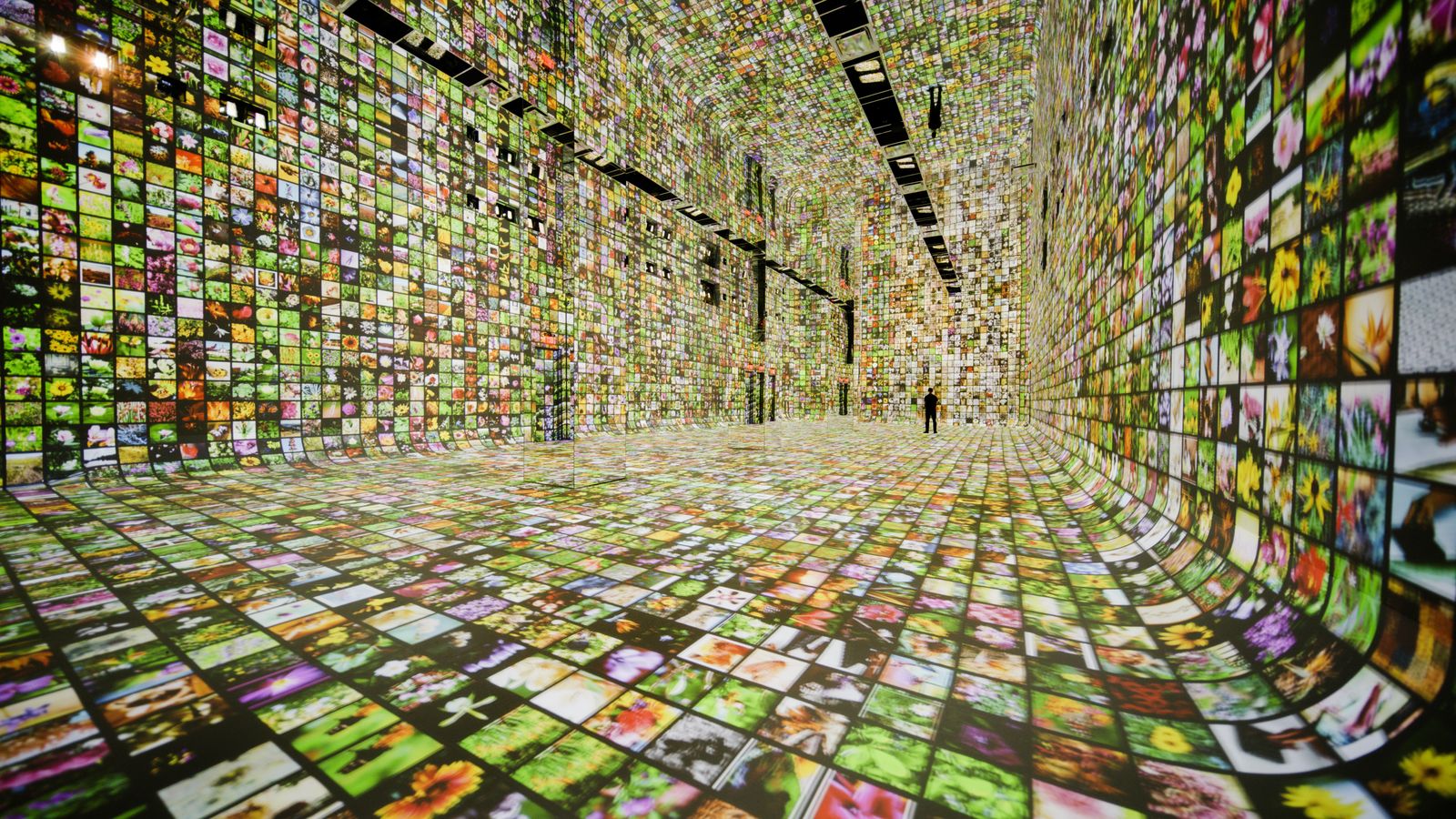
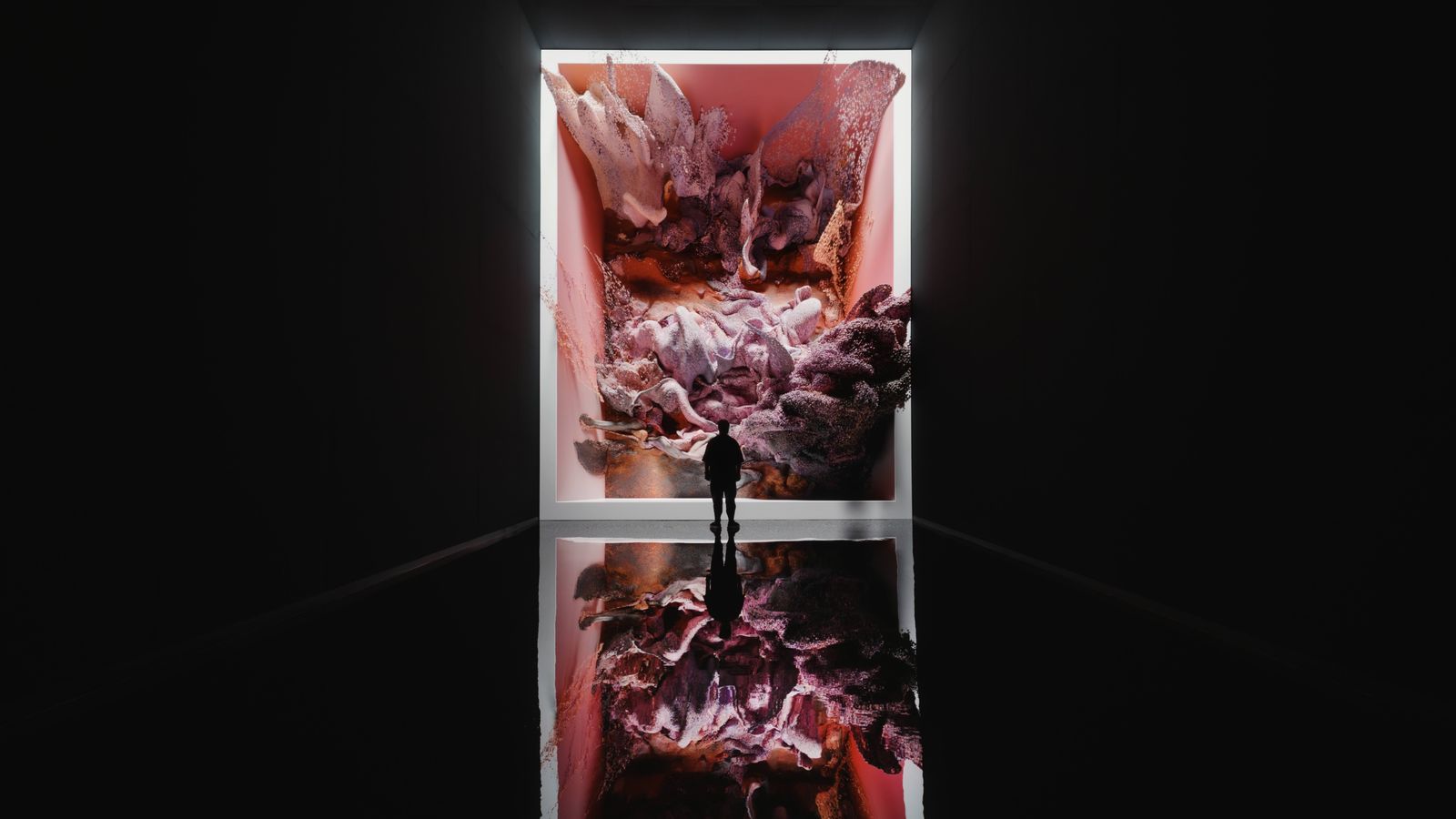
For its inaugural exhibition, Machine Dreams: Rainforest, the model has been trained on vast ecological archives sourced through partnerships with organisations including the Smithsonian Institution, Cornell Lab of Ornithology, Getty, iNaturalist, and London's Natural History Museum, alongside data gathered directly from 16 rainforest environments around the world. What distinguishes DATALAND from many AI-focused projects is its insistence that artificial intelligence be used not as a subject, but as a lens through which visitors might encounter the natural world differently.
“For more than a decade, our studio has explored a simple question: can data become a medium for empathy?” says Anadol. “As our work evolved, we realised that AI art was becoming increasingly complex, multisensory, and collective.” That emphasis on empathy appears throughout the AI museum. Rather than visualising the internet or digital culture, DATALAND repeatedly turns toward forests, weather systems, coral reefs, and bird song, translating ecological memory into sensory experience. Custom fragrances developed with L'Oréal Luxe translate environmental data into scent, while spatial audio systems generate real-time soundscapes from the very datasets driving the visuals.
The influence of the Yawanawá people, an Indigenous community from the Brazilian Amazon, forms an important part of that framework. Their relationship with the founders recurs throughout the museum's origin story, from earlier projects like Winds of Yawanawá to the conceptual foundations of Machine Dreams. Within the exhibition, moments of machine-generated imagery are placed alongside references to ancestral knowledge systems, suggesting that DATALAND is as interested in alternate ways of understanding intelligence as it is in artificial intelligence itself. “Our collaborations with the Yawanawá community are grounded in the belief that technology can become a bridge for preserving and sharing cultural memory rather than replacing it,” Anadol notes.
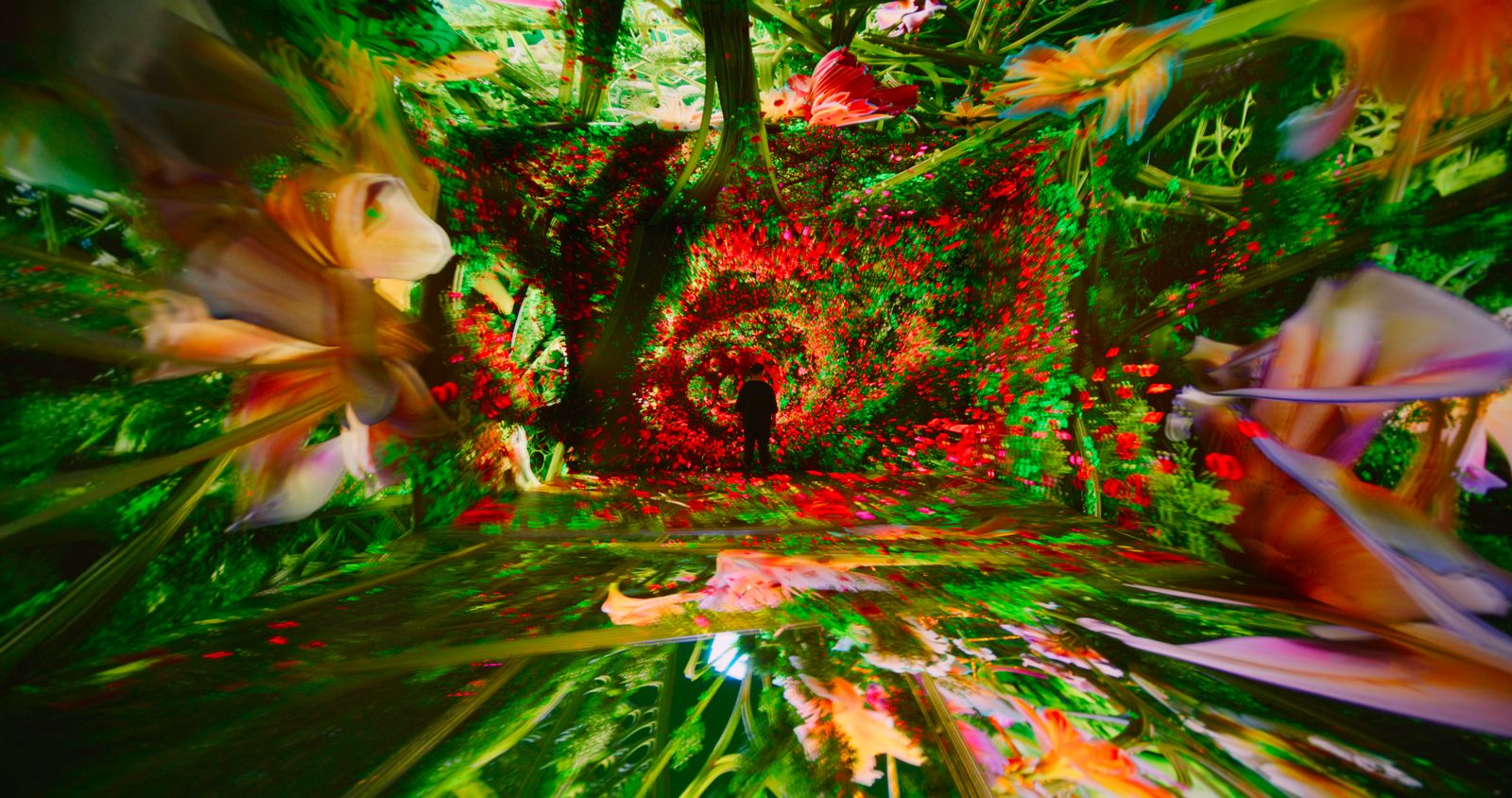
Anadol also points to the museum's Infinity Room, which houses a staggering testament to ecological loss. “Visitors encounter the voice of the Kauaʻi ʻŌʻō, a bird whose final recorded song remains one of the most moving sonic documents of extinction,” he says. “Through AI, that memory enters a larger ecological narrative about loss and interconnectedness.”
It is a quietly devastating moment, and the clearest expression of DATALAND's ambitions. For all its technological sophistication, the museum is ultimately concerned with memory: what survives, what disappears, and whether machines might help us perceive those losses differently.
Designing a museum for generative art presents a unique challenge: how do you create a permanent architectural framework for works that are never the same twice? Traditional museums have historically been organised around preservation: collecting objects, cataloguing them, and protecting them for future generations. DATALAND, by contrast, relies on responsiveness. Frank Gehry’s fluid architecture provides the structural continuity, while data streams, environmental conditions, and visitor inputs provide the change.
“In that sense, DATALAND operates more like a living organism than a traditional museum,” Anadol says. “The building provides a body, while data, computation, and human participation provide a constantly changing connection with our surroundings.”
Unlike a conventional museum visit, where each person encounters essentially the same exhibition, DATALAND is designed around variation. The building remains constant, but the experience within it is always changing. It depends on something far less predictable than algorithms: people.
Over the coming year, the AI museum will expand beyond Machine Dreams: Rainforest through new chapters generated by its Large Nature Model, alongside an international artist residency programme developed in partnership with Google Arts & Culture. Researchers, artists, scientists, and Indigenous knowledge keepers will contribute to an evolving programme designed to explore the cultural implications of artificial intelligence from multiple perspectives.
Whether DATALAND ultimately becomes a model for future museums remains an open question. Responsive environments, generative technologies, and participatory experiences are hardly new on their own. What distinguishes DATALAND is the scale at which those ideas have been brought together and embedded within a permanent institution. Its significance may ultimately have less to do with artificial intelligence than with the questions it raises about what a museum can be. It invites visitors to imagine the museum not as a place where culture is stored, but as a place where it is continuously created.


