

Some hotels reopen after renovations. Aman Sveti Stefan is reopening after a five-year dispute over who should have access to one of Montenegro's most coveted stretches of coastline. On July 1, the legendary Adriatic resort will welcome guests once again, bringing an end to one of luxury travel's most closely watched standoffs.
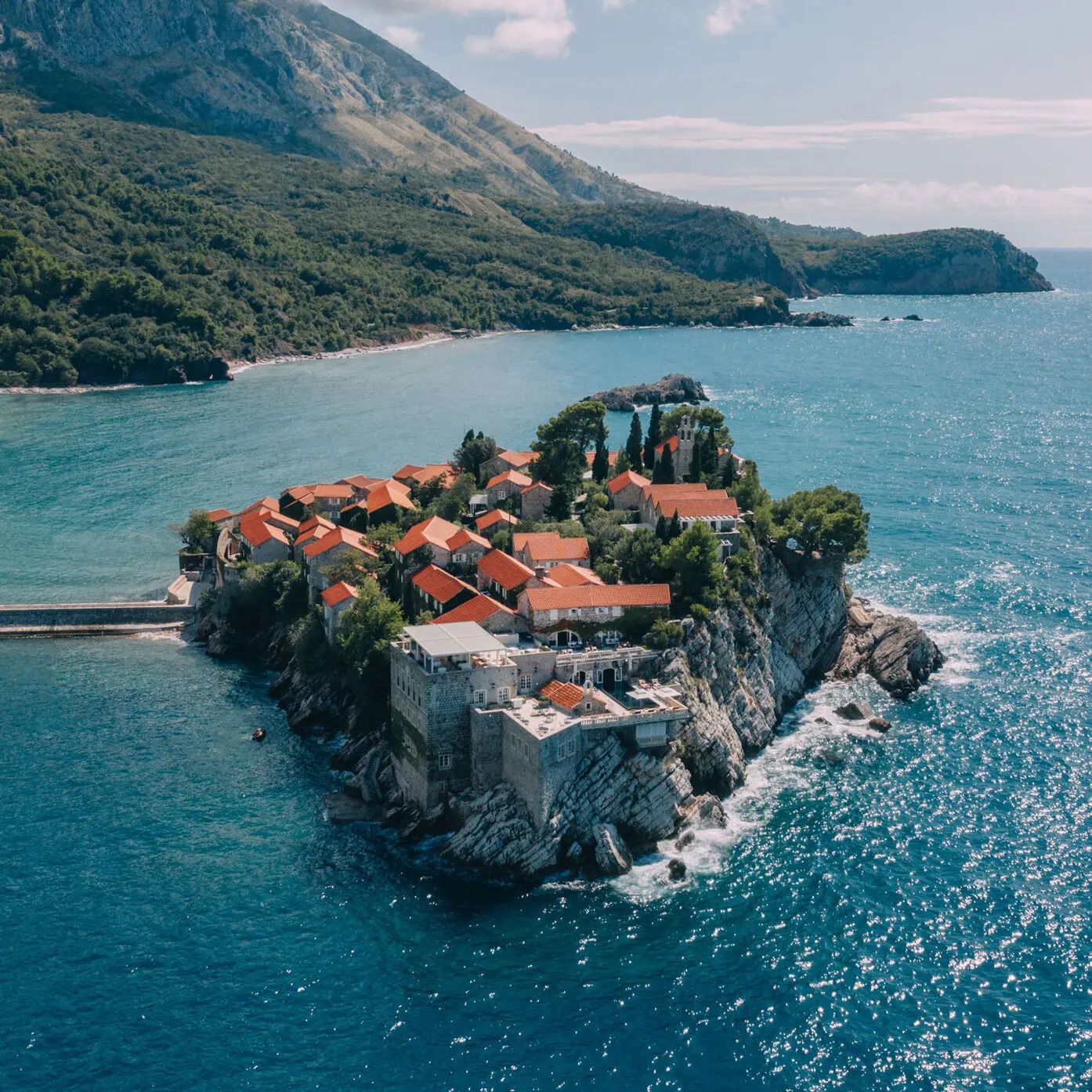
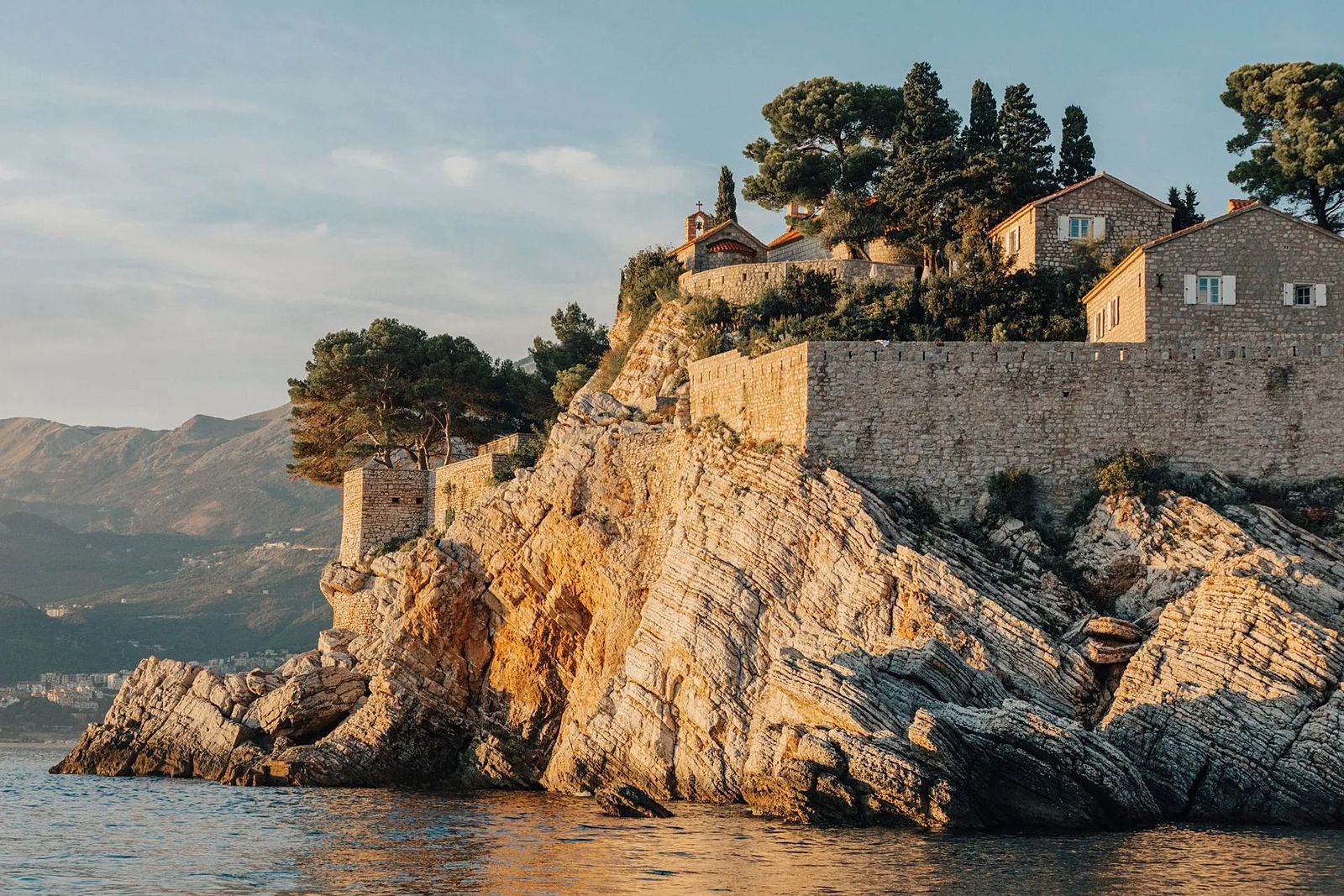
For decades, Sveti Stefan represented a particular kind of old-world glamour: discreet, sun-drenched and almost impossibly exclusive. The fortified 15th-century island village on Montenegro's Adriatic coast has welcomed everyone from Marilyn Monroe and Sophia Loren to Princess Margaret and the Beckhams, cultivating the sort of lavishness you'd expect in a season of The White Lotus. Hidden behind stone walls and pink-sand beaches, it became one of those increasingly rare destinations whose reputation seemed to grow more mythological with every famous guest who passed through its gates.
Now, after five years behind closed doors, Aman Sveti Stefan is preparing to welcome guests once again. The ultra-luxury resort, operated by Aman since 2009, will reopen for the summer season on July 1, 2026, ending a protracted dispute that has kept one of Europe's most iconic hotels shuttered since 2021. The standoff had even escalated to a €100 million international arbitration lawsuit in London. Yet the resort's return is about more than another hotel reopening. It marks the resolution of a debate increasingly familiar in luxury travel destinations across the world: who gets access to paradise?
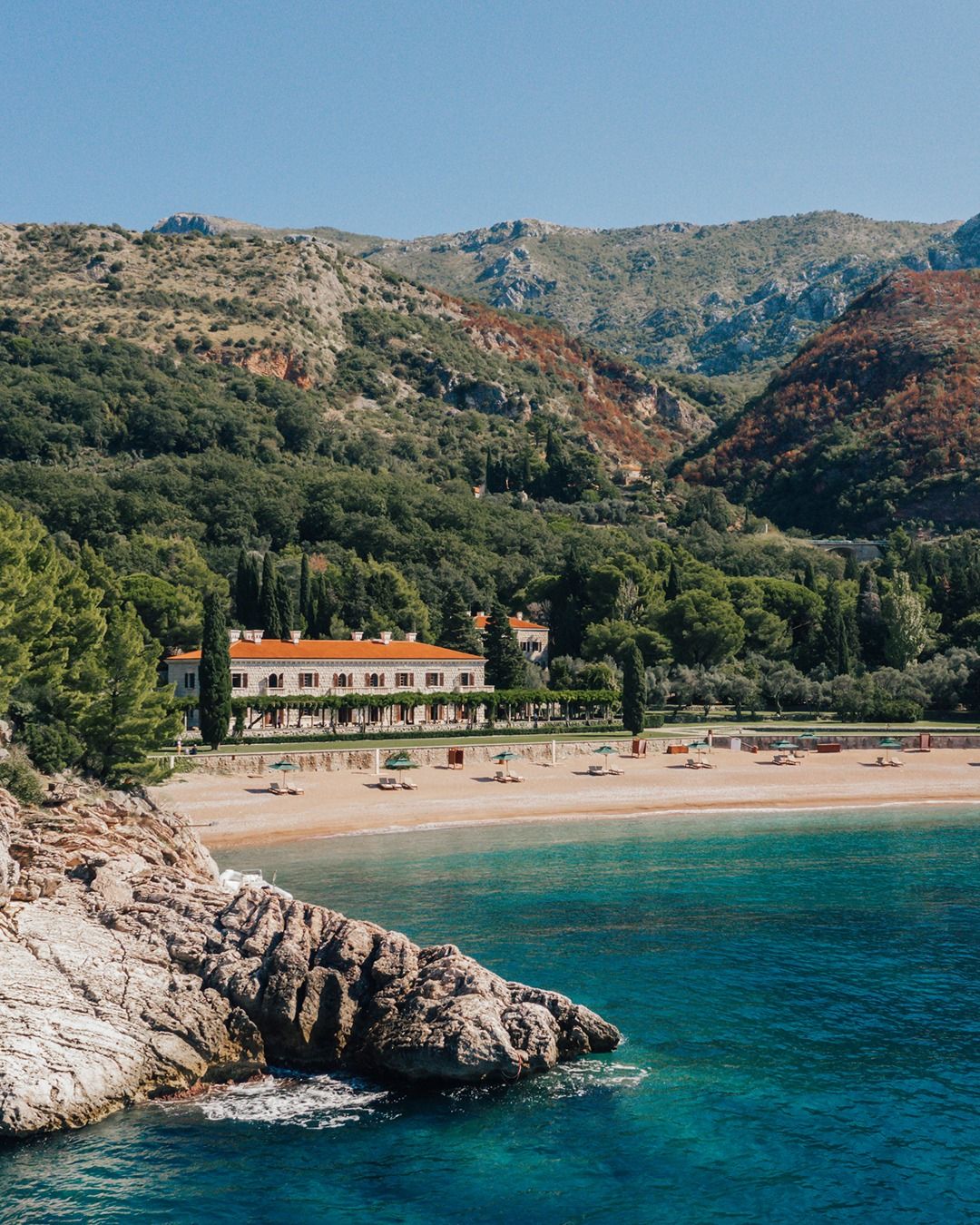
The closure stemmed from disagreements between the resort and local residents over beach access. For years, the three distinct pink-pebble beaches surrounding Sveti Stefan, including the 280-meter King’s Beach and the secluded 120-meter Queen’s Beach lagoon, had been reserved exclusively for hotel guests, creating friction with locals who argued that some of Montenegro's most beautiful coastline should remain public. Under a newly negotiated agreement brokered by Prime Minister Milojko Spajić, a compromise has finally been reached: the iconic twin Sveti Stefan Beaches flanking the island's causeway, along with King’s Beach, will feature a hybrid model opening access and free beach infrastructure to locals, while the highly private Queen's Beach will remain primarily dedicated to Aman guests during peak season.
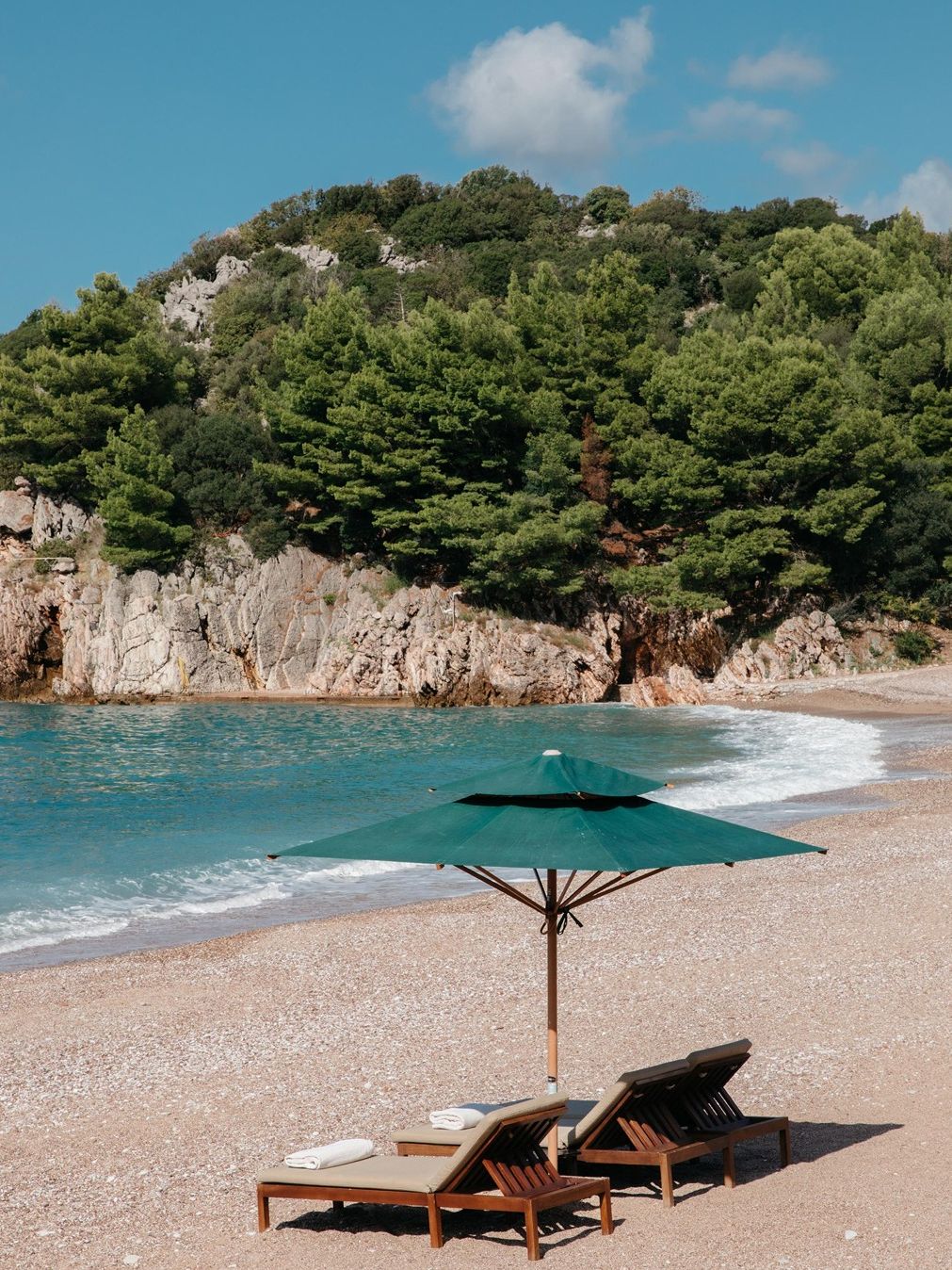
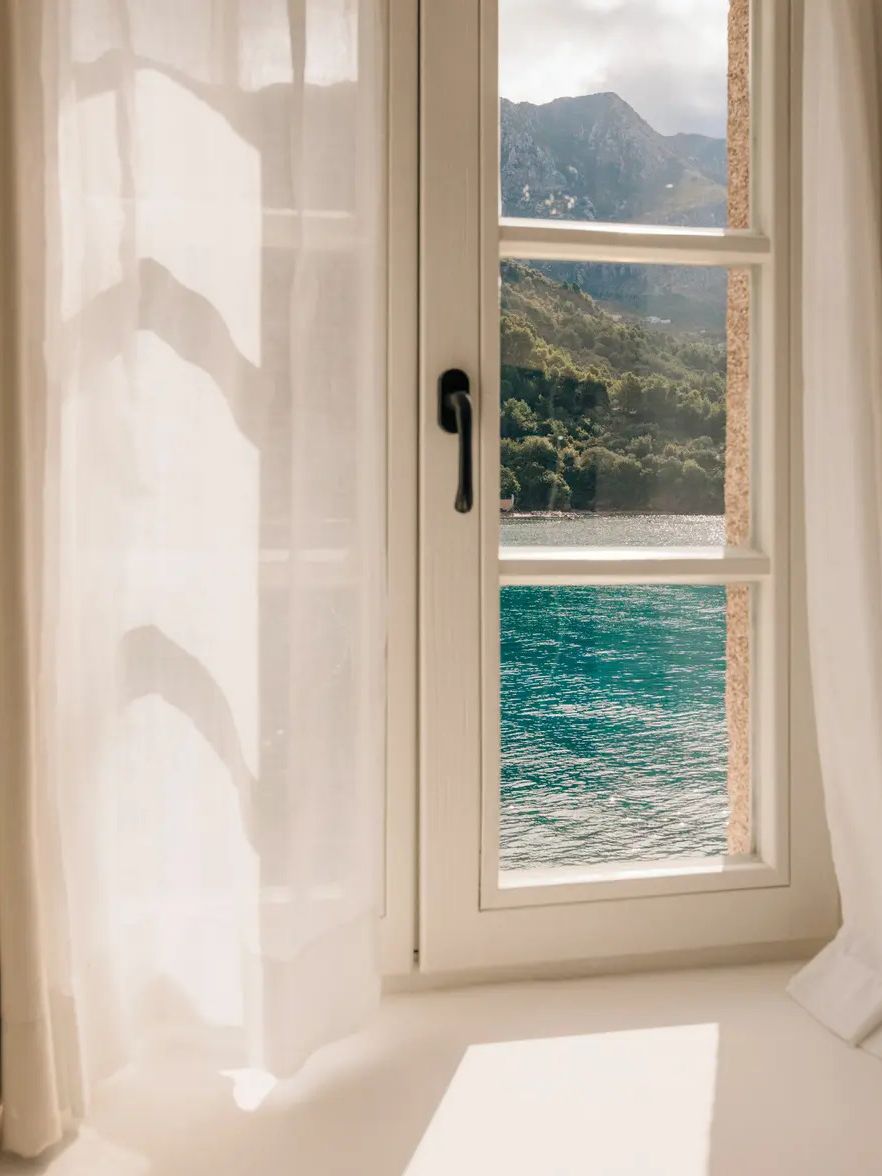
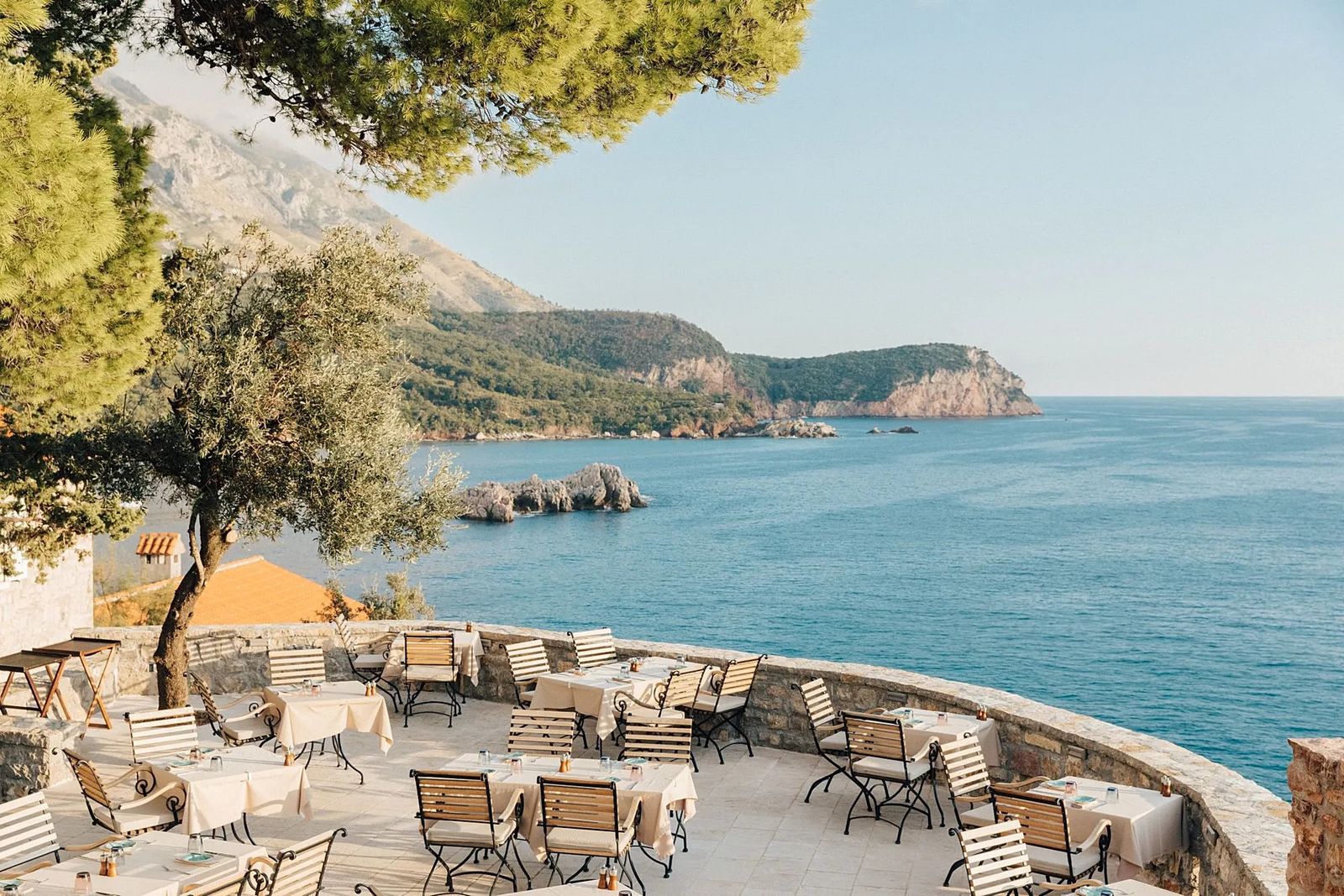
The agreement also guarantees the Montenegrin state a ten per cent share of the resort's profits and prevents further construction within the surrounding Miločer Park, preserving one of the country's most treasured stretches of coastline. It's a resolution that feels distinctly contemporary. The world's most coveted destinations are increasingly grappling with the tension between tourism and local life, exclusivity and access, preservation and development.
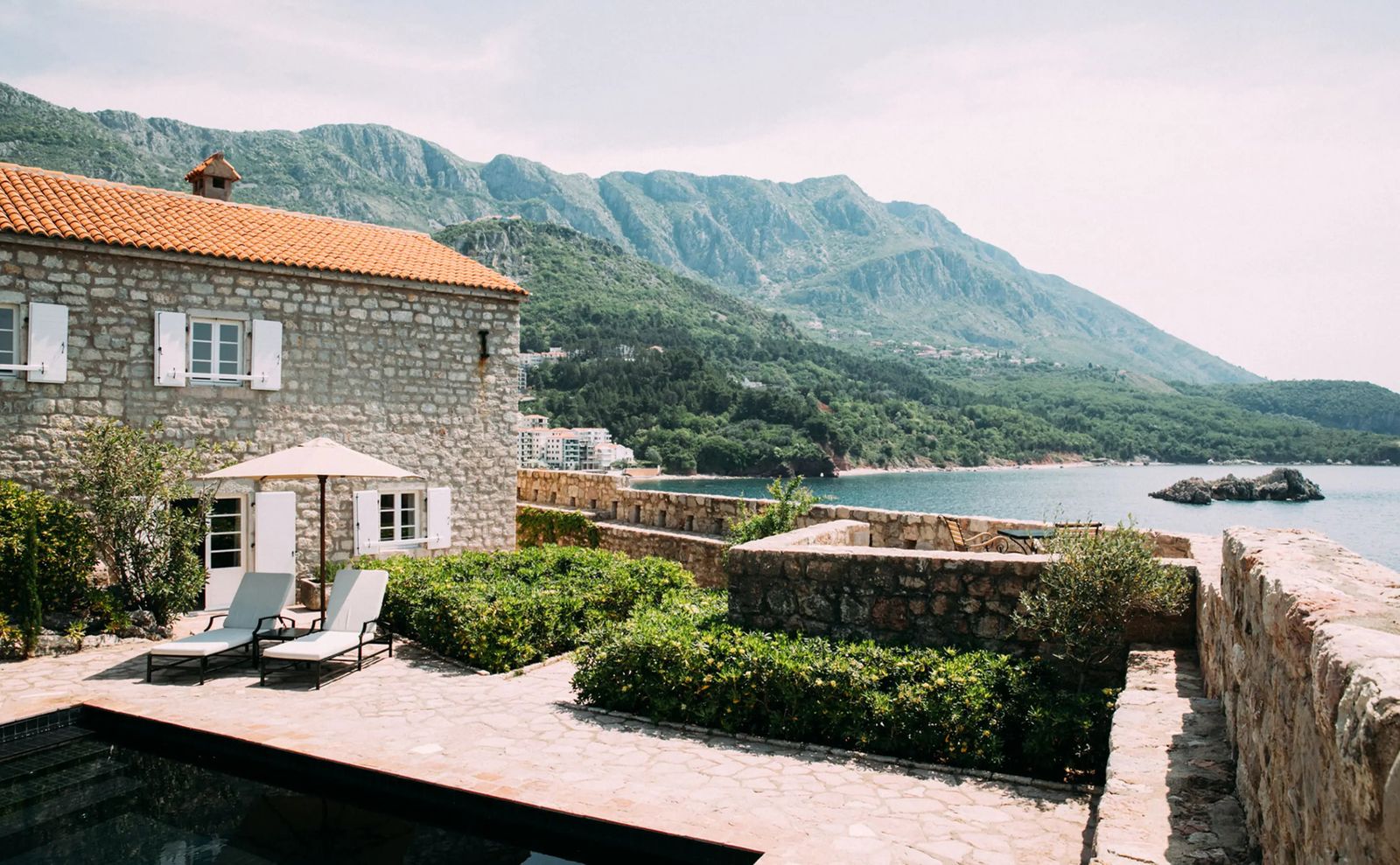
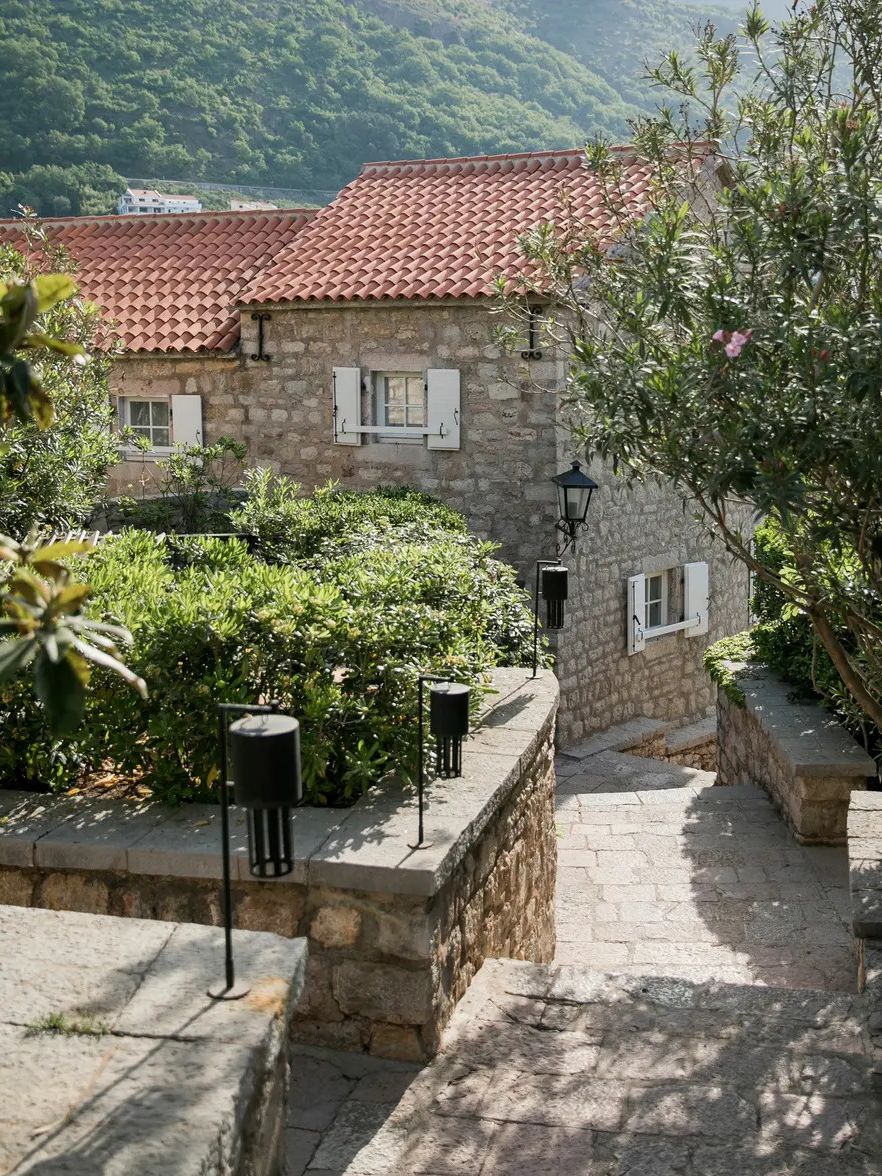
Few places embody that push and pull quite as dramatically as Sveti Stefan. The island itself has lived several lives already. Originally established as a fortified settlement in the 1400s, it was transformed into a luxury hotel by the Yugoslav government in the 1950s, quickly becoming a magnet for international celebrities, aristocrats and political figures. While much of the Mediterranean embraced modernisation, Sveti Stefan retained its stone lanes, terracotta roofs and sense of historical continuity, creating what felt less like a hotel than a beautifully preserved time capsule.
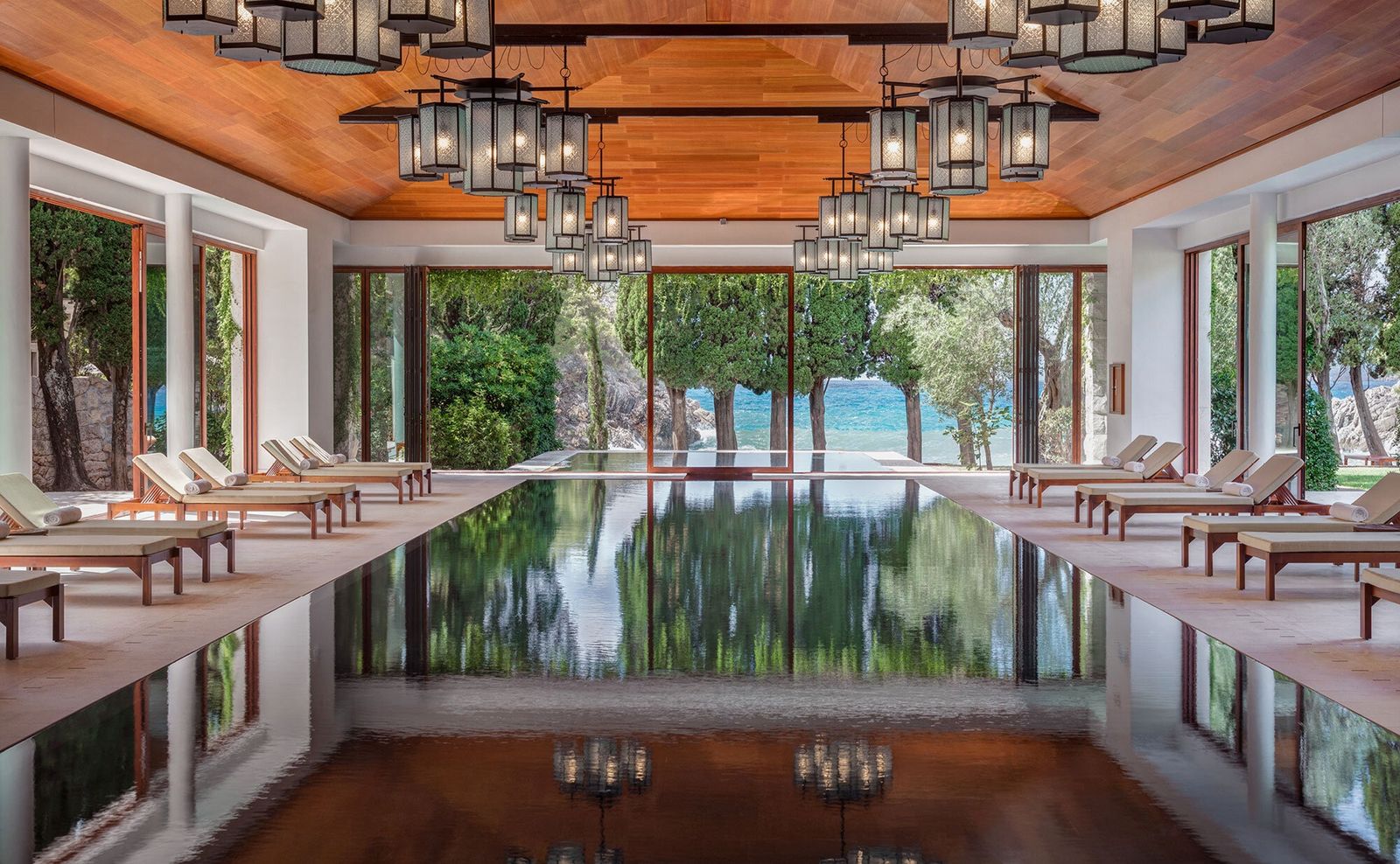
Aman’s stewardship only deepened that appeal when it took over, embarking on a multi-year restoration that preserved the island's rugged historic exterior while introducing the brand’s expected mastery when it comes to understated luxury. Behind the weathered stone facades of the island are 33 meticulously restored cottages and suites, some complete with private pools, complemented by a spa, hydrotherapy suites, fitness facilities and a trio of seasonal dining destinations. Arva, the resort's signature restaurant, located on Sveti Stefan island's west side, serves refined Italian cuisine overlooking the Adriatic, while Piazza channels the easy conviviality of a Mediterranean village square, functioning as taverna, enoteca and antipasti bar in one.
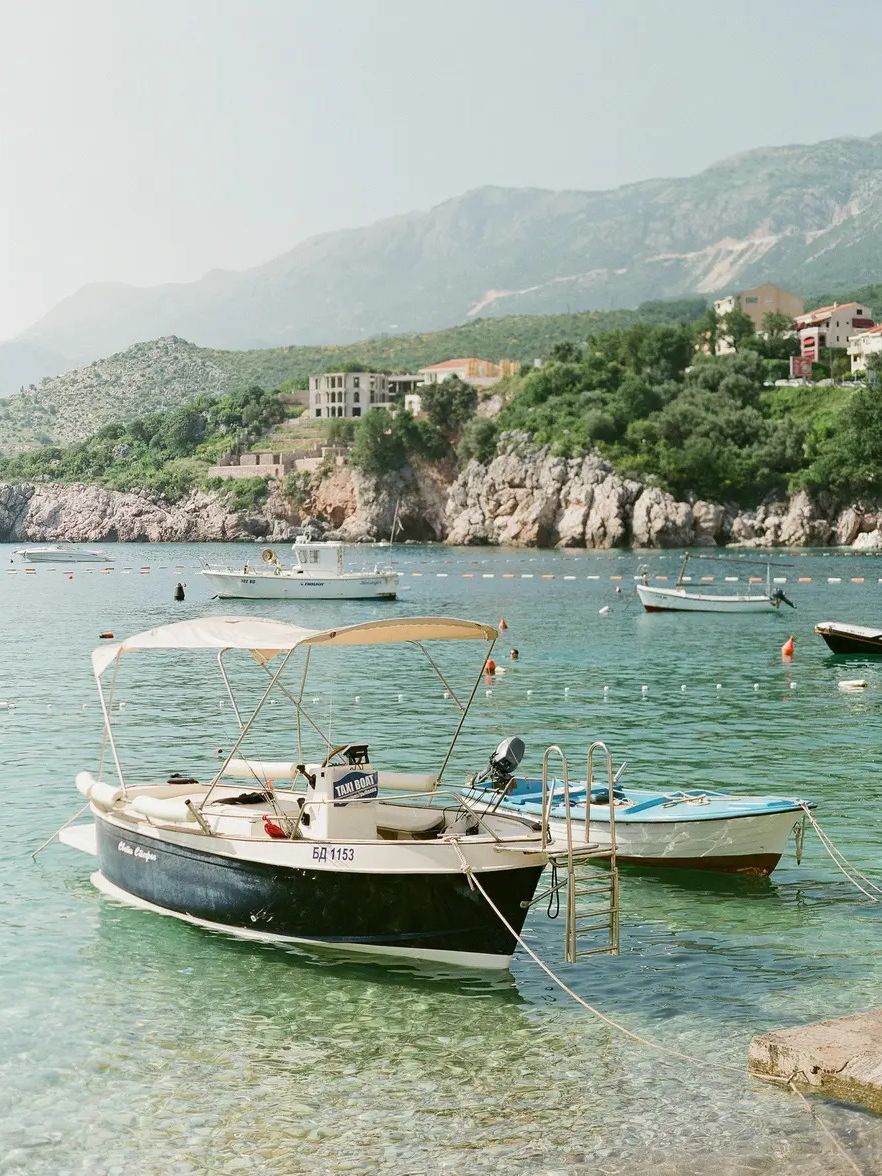
Across the causeway sits Villa Miločer, the resort's quieter mainland counterpart. Built in the 1930s as the summer residence of Queen Marija Karađorđević, the villa remains one of the most elegant addresses on the Adriatic coast. Surrounded by cedar, olive and pine trees, its eight suites, private library and wisteria-draped terraces feel worlds away from the bustle of nearby Budva. The villa reopened earlier this season and will continue operating year-round, with its restaurant overlooking King's Beach serving classic and contemporary Adriatic dishes.
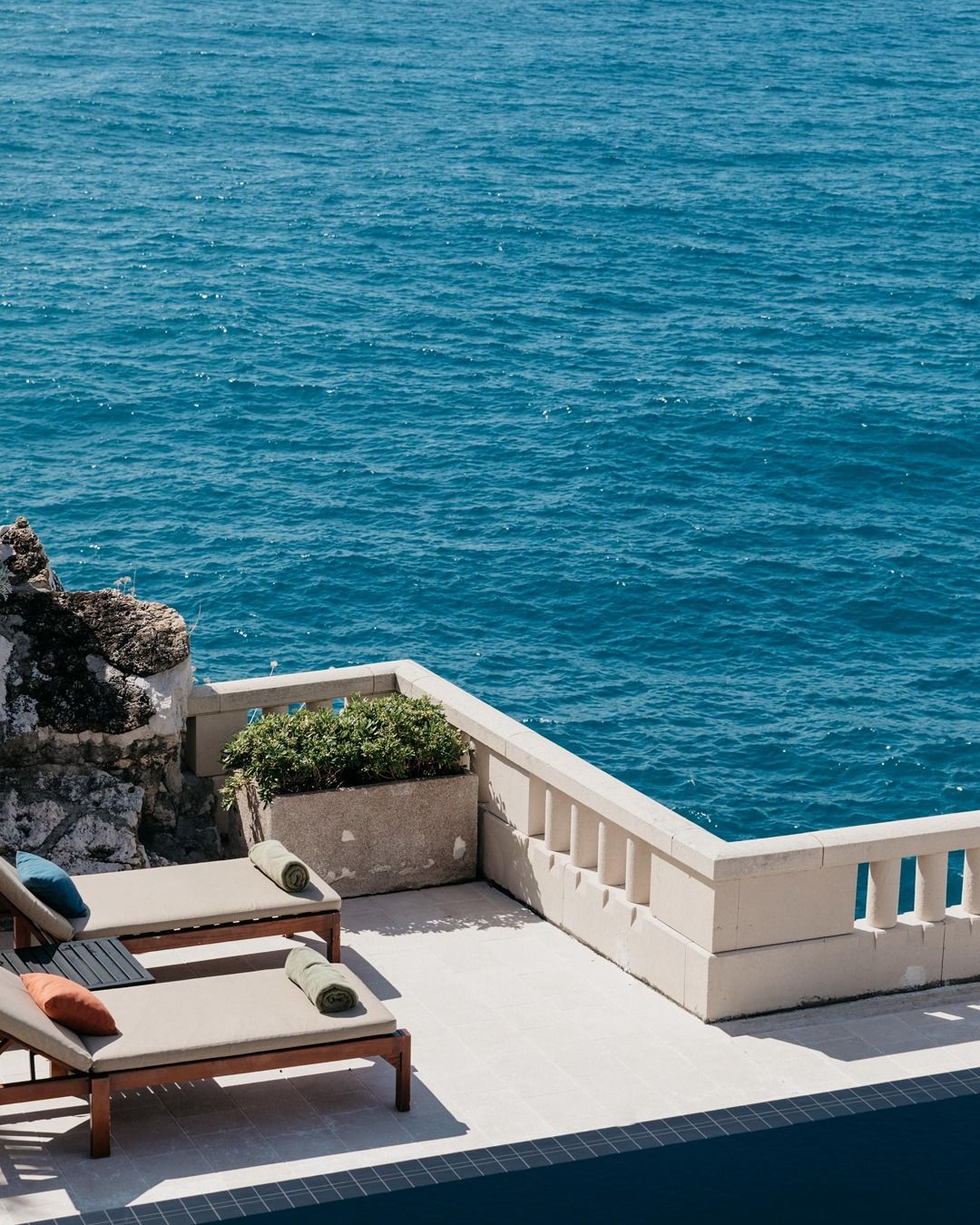
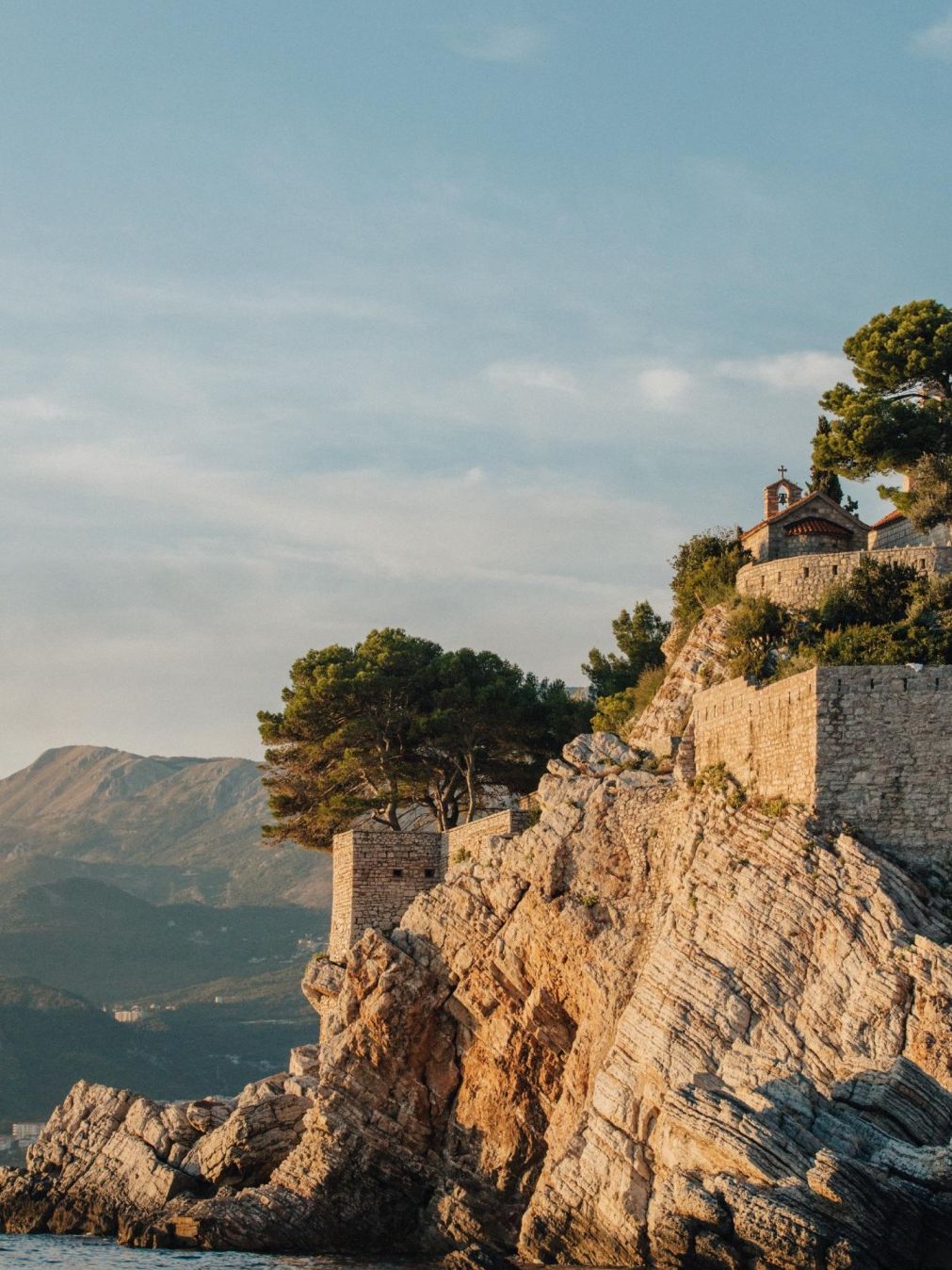
For all the controversy surrounding its closure, Aman Sveti Stefan remains one of those increasingly rare hotels whose mythology feels earned. It is simultaneously a medieval village, a royal residence and a monument to the golden age of Adriatic glamour — now cautiously reopened to both visitors and the community that surrounds it. Those hoping to join its illustrious guest list, however, will still need pockets deep enough to match its history, with island accommodations reopening at a newly stratospheric baseline starting from around €7,000 per night.


